In India, the problem of soil erosion is associated with which of the following? 1. Terrace cultivation 2. Deforestation 3. Tropical climate Select the correct answer using the code given below.
Contents16
- A1 and 2 only
- B2 only
- C1 and 3 only
- D1, 2 and 3
Show answer
Answer: (B) 2 only
Only Deforestation causes soil erosion.
(1) Terrace cultivation — WRONG association.
Terracing actually PREVENTS soil erosion on hill slopes by creating flat steps that slow down water runoff.
It's a soil conservation technique, not a cause of erosion.
(2) Deforestation — CORRECT:
Removing trees exposes soil to rain and wind.
Tree roots hold soil together; without them, rain washes topsoil away (sheet erosion, gully erosion).
This is India's biggest cause of soil erosion.
(3) Tropical climate — WRONG:
Having a tropical climate doesn't automatically mean soil erosion.
Many tropical regions have dense forests that protect soil.
It's deforestation IN tropical areas that causes erosion, not the climate itself.
UPSC trick:
Don't confuse a soil conservation method (terracing) with a cause of erosion.
(Ref:** NCERT Class 11 Geography)
Deforestation removes tree roots that bind soil particles together, making topsoil vulnerable to washing away during heavy rains.
The question tests whether students can distinguish between soil conservation techniques like terracing versus actual causes of soil erosion like deforestation.
Soil Erosion Causes in India
Geography soil erosion deforestation
Soil Erosion in India: Major Causes & Mechanisms
Deforestation is India's primary cause of soil erosion — removes protective tree cover
Heavy rainfall during monsoons accelerates erosion on exposed soils
Overgrazing removes vegetation cover, making soil vulnerable to erosion
Improper farming practices like ploughing along slopes increase erosion risk
Why Deforestation Dominates
Deforestation is the leading cause of soil erosion in India because tree roots bind soil particles together and forest canopy breaks the impact of raindrops. When forests are cleared, soil becomes directly exposed to monsoon rains and wind.
Major Erosion Causes
Cause | Mechanism | Erosion Type | Severity in India |
|---|---|---|---|
Deforestation | Loss of root binding + canopy protection | Sheet, Gully, Rill | Very High |
Overgrazing | Vegetation removal by cattle | Sheet erosion | High |
Faulty farming | Ploughing along slopes | Rill and gully | Moderate |
Mining activities | Surface disturbance | All types | Localized high |
Construction | Soil compaction + exposure | Sheet erosion | Urban areas |
Deforestation → Erosion Process
%%{init: {"flowchart": {"wrappingWidth": 460}}}%%
flowchart TD
  s1["`**Forest Clearing**
Trees cut for agriculture, logging, development`"]
  s2["`**Root System Dies**
Underground roots that held soil particles decay`"]
  s3["`**Canopy Protection Lost**
No tree cover to break rainfall impact`"]
  s4["`**Monsoon Impact**
Heavy rains hit exposed soil directly`"]
  s5["`**Surface Runoff**
Water flows faster without forest floor absorption`"]
  s6["`**Topsoil Removal**
Fertile upper layer washed away (sheet erosion)`"]
  s7["`**Gully Formation**
Concentrated flow cuts deeper channels`"]
  s1 --> s2
  s2 --> s3
  s3 --> s4
  s4 --> s5
  s5 --> s6
s6 --> s7Trap: Tropical climate alone doesn't cause erosion — it's deforestation in tropical areas that does
Trap: Don't confuse terrace cultivation (prevents erosion) with causes of erosion
Trap: Heavy rainfall becomes erosive only when protective vegetation is absent
Terrace Cultivation & Soil Conservation
Geography terrace cultivation
Terrace Cultivation: Soil Conservation Technique
Terrace cultivation prevents soil erosion by creating flat steps on slopes
Reduces water runoff speed, allowing infiltration instead of erosion
Practiced extensively in Western Ghats, Himalayas, and Northeast India
Conservation Principle
Terrace cultivation converts steep slopes into series of flat steps or benches. This dramatically slows down water flow, giving rainwater time to infiltrate soil instead of washing it away. It's a soil conservation method, not an erosion cause.
Soil Conservation Methods
Method | Principle | Best For | Example Regions |
|---|---|---|---|
Terrace Cultivation | Flat steps reduce slope gradient | Hilly areas | Himachal Pradesh, Uttarakhand |
Contour Farming | Ploughing across slopes | Gentle slopes | Deccan Plateau |
Strip Cropping | Alternate crop strips | Moderate slopes | Punjab, Haryana |
Shelter Belts | Tree lines break wind | Flat areas | Rajasthan, Gujarat |
Check Dams | Small barriers in gullies | Eroded areas | Maharashtra, Karnataka |
Terrace Structure
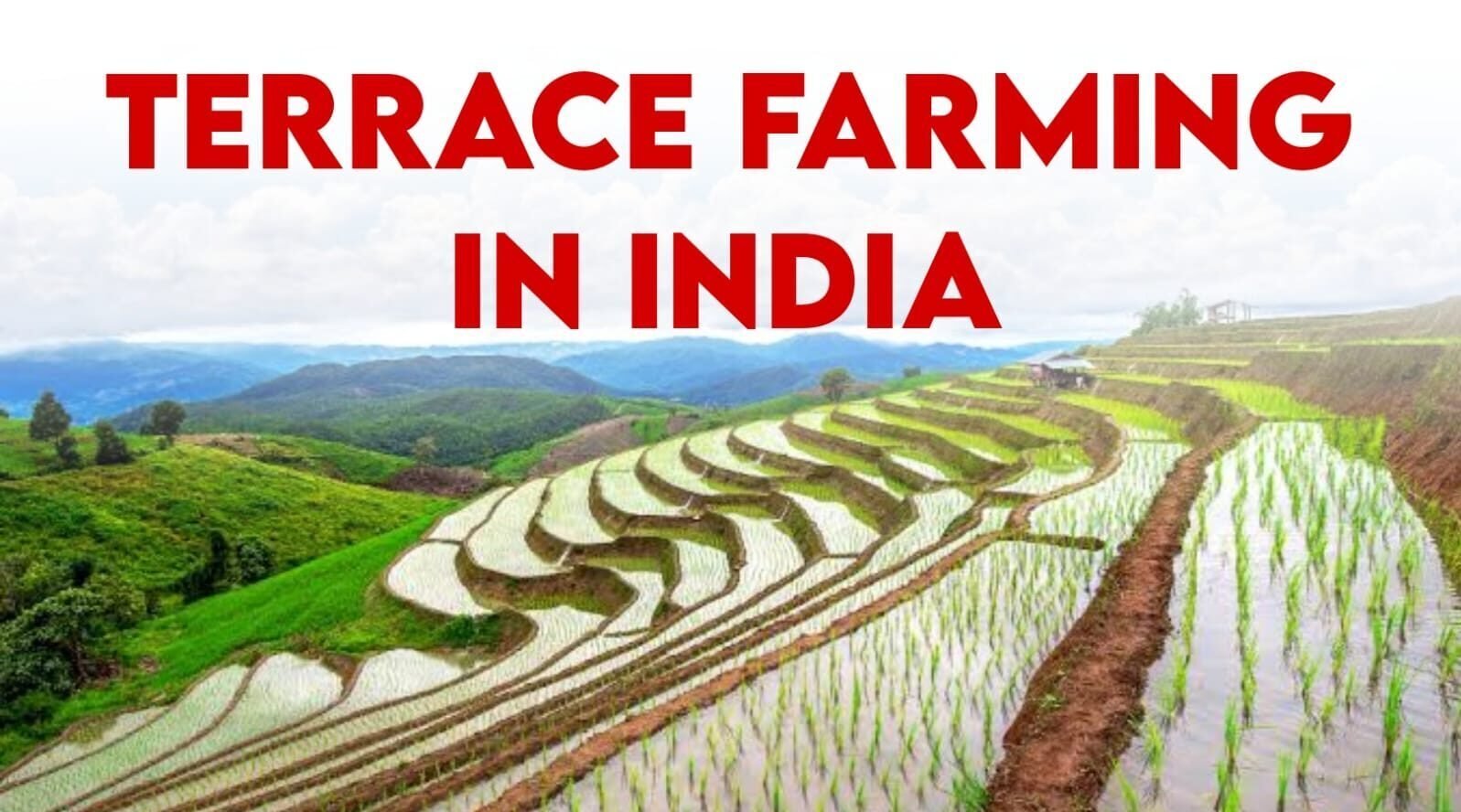
Source: Times of Agriculture — Terrace Farming in India: Comprehensive Guide for 2024 · timesofagriculture.in
Major Trap: UPSC tests whether you know terracing prevents erosion, not causes it
Confusion: Don't mix up terrace cultivation (conservation) with shifting cultivation (can cause erosion)
Tropical Climate & Soil Dynamics
Geography tropical climate
Tropical Climate Effects on Indian Soils
Tropical climate alone doesn't cause erosion — depends on vegetation cover
High rainfall + temperature accelerates chemical weathering in tropics
Lateritic soils form in tropical areas due to intense leaching
Climate vs Erosion Reality
Tropical climate creates conditions for both soil formation and erosion, but vegetation cover determines the outcome. Dense tropical forests actually protect soil despite heavy rainfall. Erosion occurs when human activities remove this natural protection.
Tropical Climate Soil Effects
Process | Climate Factor | Soil Impact | Erosion Risk |
|---|---|---|---|
Chemical Weathering | High temperature + moisture | Rock breakdown into soil | Low (gradual) |
Leaching | Heavy monsoon rains | Nutrient loss from topsoil | Moderate |
Laterization | Wet-dry cycles | Iron-aluminum concentration | Low (hardened) |
Surface Impact | Intense rainfall | Raindrop impact on soil | High if exposed |
Runoff Generation | Rainfall intensity | Fast water flow | High on bare slopes |
Tropical Soil Processes
# Tropical Climate Effects
## Soil Formation
- Chemical weathering
- Deep profiles
- Lateritic development
## Natural Protection
- Dense vegetation
- Root binding
- Canopy cover
## Erosion Triggers
- Deforestation
- Land clearing
- Slope cultivation
## Monsoon Impact
- Intense rainfall
- Seasonal flooding
- Rapid runoffKey Trap: Climate creates potential for erosion, but human activities are the actual cause
Don't assume: Heavy tropical rainfall = automatic soil erosion (forests prevent this naturally)
Types of Soil Erosion in India
Geography
Classification of Soil Erosion Types in India
Sheet erosion removes topsoil uniformly — hardest to detect initially
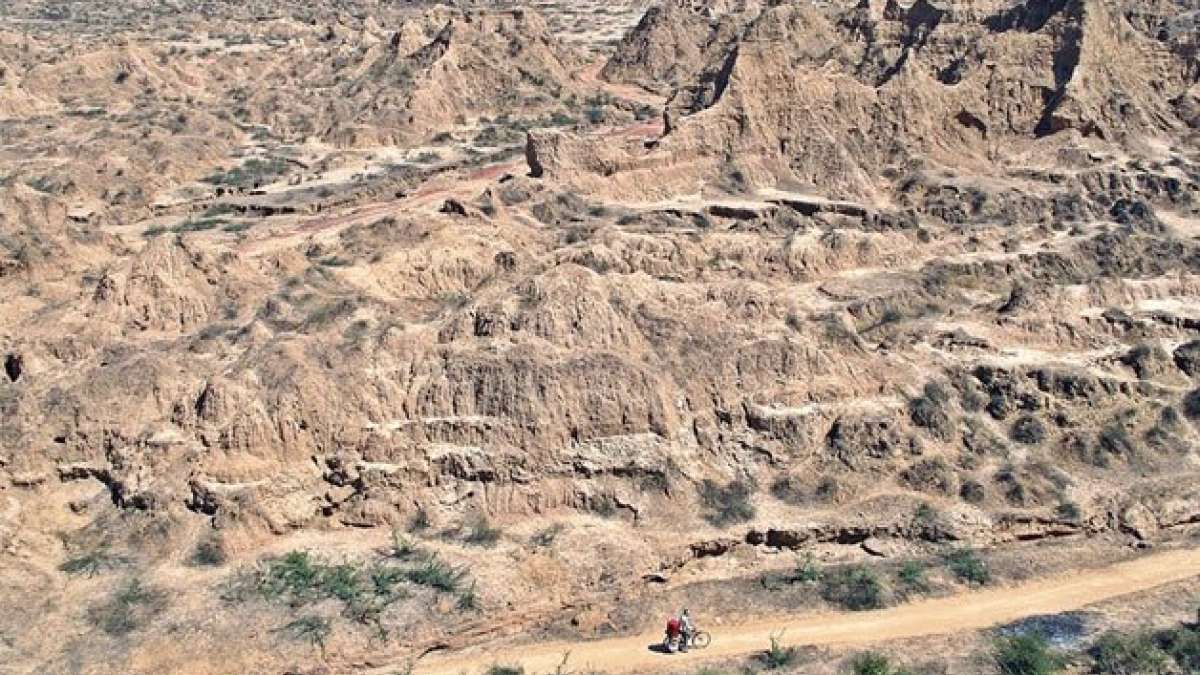
Gully erosion cuts deep channels — most visible and destructive type
Wind erosion dominates in arid regions like Rajasthan and Gujarat
Rill erosion creates small channels that can develop into gullies
Erosion Types Comparison
Type | Mechanism | Visibility | Regions Affected | Severity |
|---|---|---|---|---|
Sheet Erosion | Uniform topsoil removal by water | Low (gradual) | All monsoon areas | High (fertile soil loss) |
Rill Erosion | Small channels by concentrated flow | Moderate | Sloping agricultural land | Moderate |
Gully Erosion | Deep cutting by water flow | High (dramatic) | Chambal, Deccan ravines | Very High |
Wind Erosion | Soil particles blown away | High (dust storms) | Rajasthan, Gujarat | High |
Coastal Erosion | Wave action on shores | High | Kerala, Odisha, Bengal coasts | Localized high |
Regional Erosion Patterns
Chambal Valley: India's worst gully erosion region — creates badlands (ravines)
Western Ghats: Sheet erosion on deforested slopes during monsoons
Thar Desert: Wind erosion creates shifting sand dunes
Northeastern Hills: Rill and gully erosion from jhum cultivation
Coastal Plains: Wave erosion threatens settlements in Kerala and West Bengal
Gully Erosion Example
Source: India TV News — MP government to make badlands of Chambal cultivable | India News ... · www.indiatvnews.com