The Genetic Engineering Appraisal Committee is constituted under the
Contents13
- AFood Safety and Standards Act, 2006
- BGeographical Indications of Goods (Registration and Protection) Act, 1999
- CEnvironment (Protection) Act, 1986
- DWildlife (Protection) Act, 1972
Show answer
Answer: (C) Environment (Protection) Act, 1986
The Genetic Engineering Appraisal Committee (GEAC) is the apex body that appraises activities involving large-scale use of hazardous microorganisms and genetically engineered organisms (including GM crops like Bt cotton, Bt brinjal, etc.) from an environmental safety angle.
It is constituted under the Rules for the Manufacture, Use, Import, Export and Storage of Hazardous Microorganisms/Genetically Engineered Organisms or Cells, 1989 — which are framed under the Environment (Protection) Act, 1986.
The GEAC functions under the Ministry of Environment, Forest and Climate Change.
Note: GEAC was originally called 'Genetic Engineering Approval Committee' but was later renamed 'Genetic Engineering APPRAISAL Committee' to reflect that it appraises environmental risks rather than simply 'approving' GMOs.
Why are the other options wrong?
(a) Food Safety and Standards Act, 2006 — this governs food safety standards and established FSSAI (Food Safety and Standards Authority of India). It deals with food quality, not genetic engineering regulation.
(b) Geographical Indications Act, 1999 — this deals with protecting products with specific geographical origin (like Darjeeling Tea, Basmati Rice). Completely unrelated.
(d) Wildlife (Protection) Act, 1972 — this deals with protecting wildlife and their habitats, not genetic engineering.
Answer: Environment (Protection) Act, 1986.
Key fact: All biotech/GMO regulatory bodies in India derive their authority from the EPA, 1986.
GEAC is the apex body that decides whether genetically modified crops like Bt cotton and Bt brinjal can be released in India's environment.
All major biotechnology and GMO regulatory committees in India derive their legal authority from the Environment Protection Act 1986, not from food safety or agriculture laws.
UPSC is testing whether students understand that genetic engineering regulation falls under environmental law because the primary concern is ecological safety, not just food safety.
Genetic Engineering Appraisal Committee (GEAC)
Environment Genetic Engineering Appraisal Committee
GEAC: India's Apex GMO Regulatory Body
GEAC is constituted under Environment (Protection) Act, 1986 Rules (1989)
Apex body for environmental safety appraisal of GMOs and hazardous microorganisms
Functions under Ministry of Environment, Forest & Climate Change
Originally called 'Genetic Engineering Approval Committee' - renamed to 'Appraisal Committee'
Core Function
GEAC evaluates large-scale use of genetically engineered organisms and hazardous microorganisms from an environmental safety angle. It does not simply approve GMOs but conducts detailed risk appraisal before any commercial release.
Key Responsibilities
Environmental risk assessment of GM crops like Bt cotton, Bt brinjal
Field trial approvals for genetically modified organisms
Commercial release permissions after safety evaluation
Import/export regulation of GMOs and hazardous microorganisms
Monitoring compliance with biosafety guidelines
GEAC vs Other Bodies
Body | Parent Act | Primary Focus | Ministry |
|---|---|---|---|
GEAC | Environment Protection Act, 1986 | GMO environmental safety | MoEF&CC |
FSSAI | Food Safety Standards Act, 2006 | Food quality & safety | Health & Family Welfare |
NBPGR | Various research acts | Plant genetic resources | Agriculture & Farmers Welfare |
Question Context
This PYQ tests knowledge of institutional framework under environmental laws. The key insight: all major biotechnology regulation in India flows from the Environment Protection Act, 1986 - not food safety or agriculture acts.
Trap: Confusing GEAC with FSSAI - both deal with 'safety' but FSSAI is for food standards, GEAC is for environmental safety
Trap: Linking GMOs to Wildlife Protection Act - wildlife law has no jurisdiction over genetic engineering
Name confusion: Originally 'Genetic Engineering Approval Committee' but now 'Appraisal Committee'
Ministry trap: GEAC is under MoEF&CC, not Agriculture Ministry despite dealing with GM crops
Environment (Protection) Act, 1986
Environment Environment (Protection) Act, 1986
EPA 1986: India's Umbrella Environmental Law
Umbrella Act for environmental protection - enables all major environmental regulations
Enacted after Bhopal Gas Tragedy (1984) to fill regulatory gaps
Empowers Central Government to take measures for environmental protection
Source of authority for EIA, CRZ, GMO rules and most environmental bodies
Historical Context
Enacted in response to the Bhopal Gas Tragedy (1984) when existing laws proved inadequate. The Act provides comprehensive powers to the Central Government to coordinate environmental protection activities and plug regulatory gaps.
Key Powers Under EPA 1986
# Environment Protection Act 1986
## Regulatory Powers
- Set emission standards
- Restrict hazardous operations
- Prescribe safeguards
- Environmental clearances
## Enforcement Powers
- Close/prohibit industries
- Inspection powers
- Penalties & imprisonment
- Emergency measures
## Rule-Making
- EIA Notification
- CRZ Rules
- GMO Rules
- Hazardous Waste Rules
Major Bodies/Rules Under EPA 1986
Body/Rule | Year | Purpose | Key Function |
|---|---|---|---|
GEAC | 1989 | GMO regulation | Environmental safety of genetically modified organisms |
EIA Notification | 2006 | Project clearance | Environmental impact assessment for industries |
CRZ Rules | 2019 | Coastal protection | Regulate activities in coastal zones |
Plastic Waste Rules | 2016 | Waste management | Control plastic pollution |
Scope confusion: EPA 1986 is an umbrella act - most environmental bodies derive authority from it
Date trap: Enacted in 1986 (after Bhopal 1984) but many rules came much later
vs Water/Air Acts: EPA 1986 is comprehensive, Water Act (1974) and Air Act (1981) are sector-specific
Central vs State: EPA 1986 primarily empowers Central Government, unlike some other environmental laws
Food Safety, GI & Wildlife Protection Acts
Environment Food Safety and Standards Act, 2006 Geographical Indications Wildlife (Protection) Act, 1972
Other Acts in Options: Scope & Purpose
Food Safety Standards Act, 2006 established FSSAI for food quality regulation
GI Act, 1999 protects products with specific geographical origin (like Darjeeling Tea)
Wildlife Protection Act, 1972 protects wildlife and habitats, not genetic engineering
Comparing Acts in Options
Act | Year | Key Body | Primary Focus | Example Coverage |
|---|---|---|---|---|
Environment Protection | 1986 | GEAC, CPCB | Environmental safety | GMO regulation, pollution control |
Food Safety Standards | 2006 | FSSAI | Food quality | Food adulteration, labeling, hygiene |
Geographical Indications | 1999 | GI Registry | Origin protection | Basmati Rice, Darjeeling Tea, Kanchipuram Silk |
Wildlife Protection | 1972 | NBWL, State Boards | Wildlife conservation | Protected species, national parks, hunting ban |
Why These Acts Don't Cover GMO Regulation
Food Safety Act: Covers post-production food safety, not pre-release environmental assessment of GMOs
GI Act: Protects traditional products with geographical origin - unrelated to genetic engineering
Wildlife Act: Focuses on species conservation and habitat protection - no jurisdiction over biotechnology
EPA 1986: Only act with comprehensive environmental powers including biotechnology regulation
GI Tagged Products
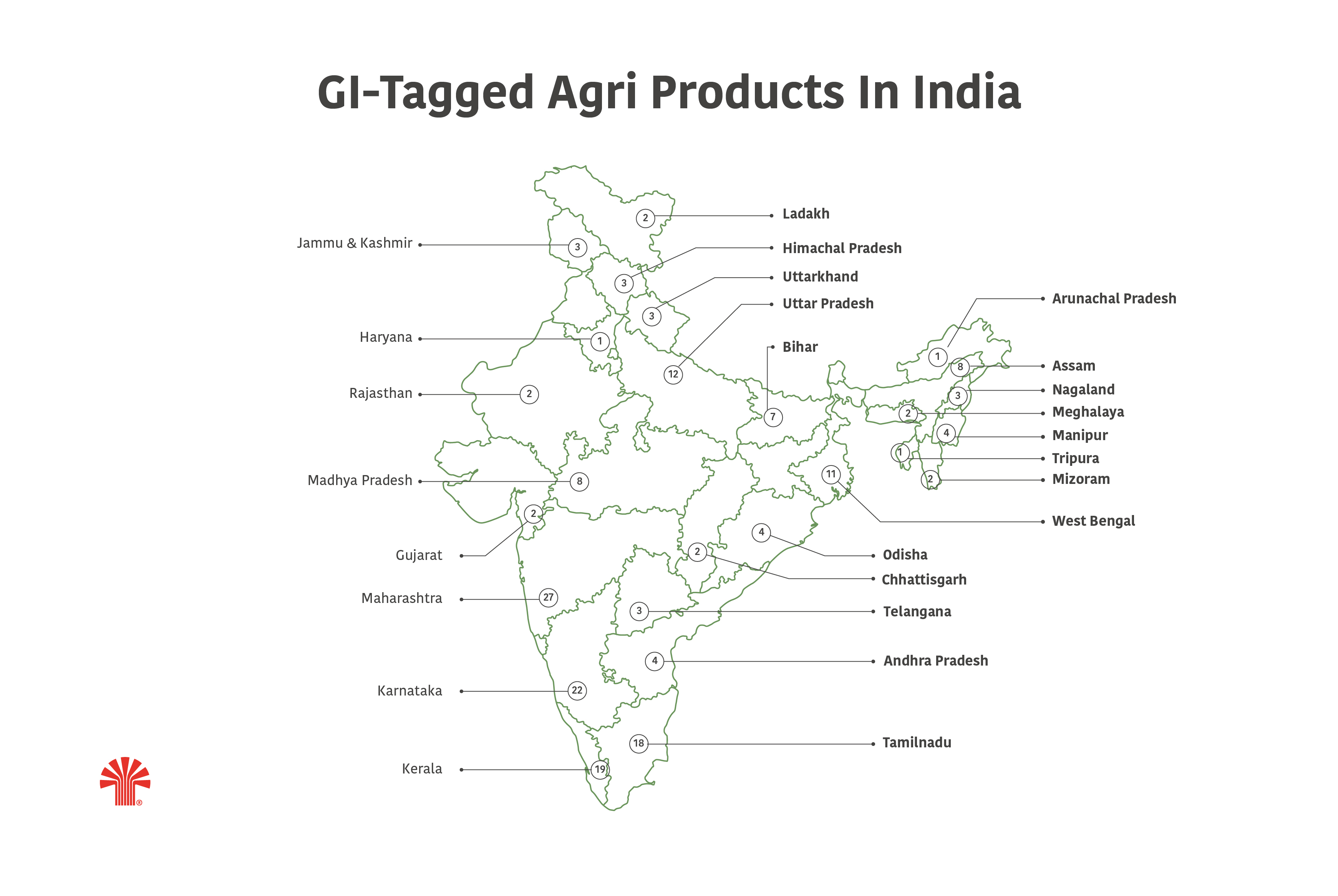
Source: Taro Pumps — Geographical Indication Tags in India | Taro Pumps · www.taropumps.com
Food confusion: GMO regulation is about environmental release safety, not food quality standards
Wildlife distractor: Wildlife Act deals with natural biodiversity, not genetically modified organisms
FSSAI overlap: While FSSAI may evaluate GM food safety, GEAC handles environmental clearance first
Chronology trap: EPA (1986) predates Food Safety Act (2006) - environmental framework came first