With reference to the history of India, consider the following pairs:
Contents19
With reference to the history of India, consider the following pairs:
| Famous Place | Present State |
|---|---|
| 1. Bhilsa | Madhya Pradesh |
| 2. Dwarasamudra | Maharashtra |
| 3. Girinagar | Gujarat |
| 4. Sthanesvara | Uttar Pradesh |
Which of the pairs given above are correctly matched?
- A1 and 3 only
- B1 and 4 only
- C2 and 3 only
- D2 and 4 only
Show answer
Answer: (A) 1 and 3 only
Let's match each historical place with its present-day state:
Bhilsa → Madhya Pradesh — CORRECT: Bhilsa (also spelled Bhelsa) is the medieval name for Vidisha, which is in Madhya Pradesh. It was an important city associated with Emperor Ashoka (who served as governor there) and the Shunga dynasty.
Dwarasamudra → Maharashtra — NOT CORRECT: Dwarasamudra is the ancient name for Halebidu in Karnataka (not Maharashtra). It was the capital of the Hoysala Empire.
Girinagar → Gujarat — CORRECT: Girinagar ("city on the hill") is another name for Girnar, located near Junagadh in Gujarat. It's an important Jain pilgrimage site associated with the 22nd Tirthankara, Lord Neminath.
Sthanesvara → Uttar Pradesh — NOT CORRECT: Sthanesvara (Thanesar/Thaneswar) is actually in Haryana, not Uttar Pradesh. It was the capital of King Harshavardhana's family.
Answer: A (1 and 3 only).
Key Takeaway:
- Bhilsa = Vidisha = MP.
- Dwarasamudra = Halebidu = Karnataka (NOT Maharashtra).
- Girinagar = Girnar = Gujarat.
- Sthanesvara = Thanesar = Haryana (NOT UP).
These historical places are linked to major dynasties and religious sites that UPSC frequently tests - Ashoka's connection to Bhilsa, Hoysala capital at Dwarasamudra, Jain pilgrimage at Girinagar, and Harsha's capital at Sthanesvara.
UPSC is testing whether students can connect ancient place names with modern locations across different states, requiring knowledge of how historical geography maps to current political boundaries.
Bhilsa (Vidisha) - Madhya Pradesh
Ancient And Medieval History Bhilsa
Bhilsa (Vidisha): Ashoka's Governorship & Historical Significance
Bhilsa is the medieval name for Vidisha in Madhya Pradesh
Emperor Ashoka served as governor of Bhilsa before becoming emperor
Important Shunga dynasty capital after Mauryan decline
Buddhist stupas and monuments nearby at Sanchi
Historical Importance
Bhilsa (also spelled Bhelsa) was a major administrative and commercial center in ancient India. The city gained prominence when young Prince Ashoka was appointed as governor here by his father Bindusara, giving him crucial administrative experience before ascending the Mauryan throne.
Key Historical Connections
Mauryan period: Ashoka's governorship made it a major provincial center
Shunga dynasty: Became their capital after overthrowing the Mauryans
Buddhist heritage: Close proximity to Sanchi stupas and monasteries
Trade importance: Strategic location on ancient trade routes
Location Context
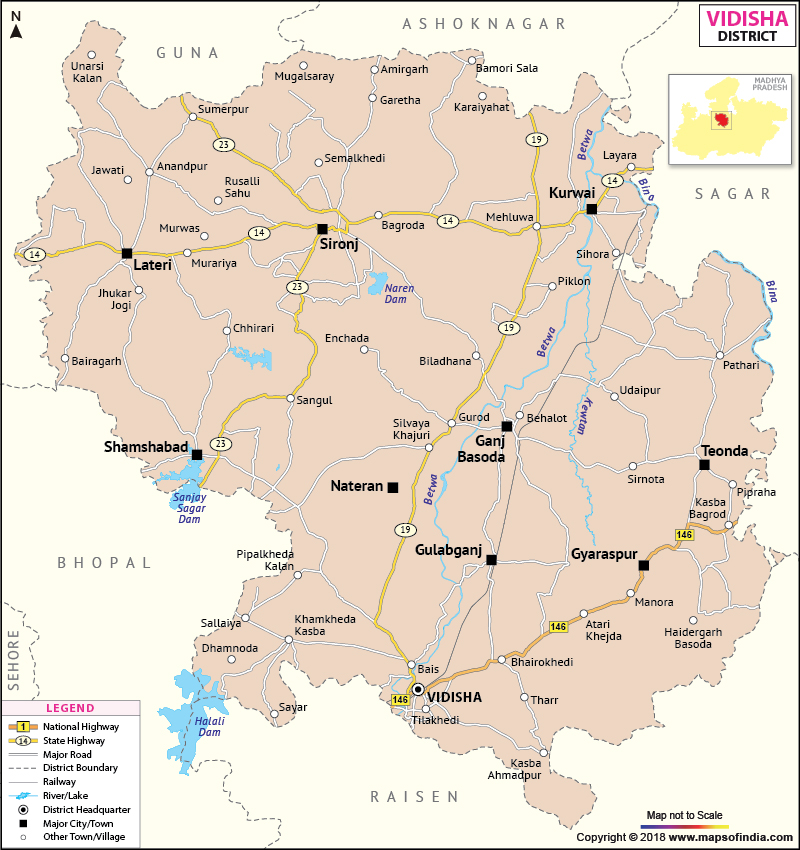
Source: India Map — Vidhisha District Map · www.mapsofindia.com
Don't confuse Bhilsa with other ancient cities ending in '-sa' like Kausambi
Remember: Bhilsa = Vidisha = Madhya Pradesh, not any other state
Dwarasamudra (Halebidu) - Karnataka
Ancient And Medieval History Dwarasamudra
Dwarasamudra (Halebidu): Hoysala Empire Capital in Karnataka
Dwarasamudra is the ancient name for Halebidu in Karnataka
Capital of the powerful Hoysala Empire (12th-14th centuries)
Famous for Hoysaleswara Temple with intricate stone carvings
UNESCO World Heritage Site since 2023
Hoysala Capital
Dwarasamudra (meaning 'gateway to the seas') served as the magnificent capital of the Hoysala Empire. The city was known for its architectural marvels and strategic importance in South Indian politics during the medieval period.
Historical Significance
Hoysala rulers: Kings like Vishnuvardhana and Ballala II ruled from here
Architectural legacy: Hoysaleswara and Kedareswara temples showcase Hoysala style
Delhi Sultanate raids: Destroyed by Malik Kafur in 1311 CE
Modern recognition: Part of 'Sacred Ensembles of the Hoysalas' UNESCO site
Temple Architecture
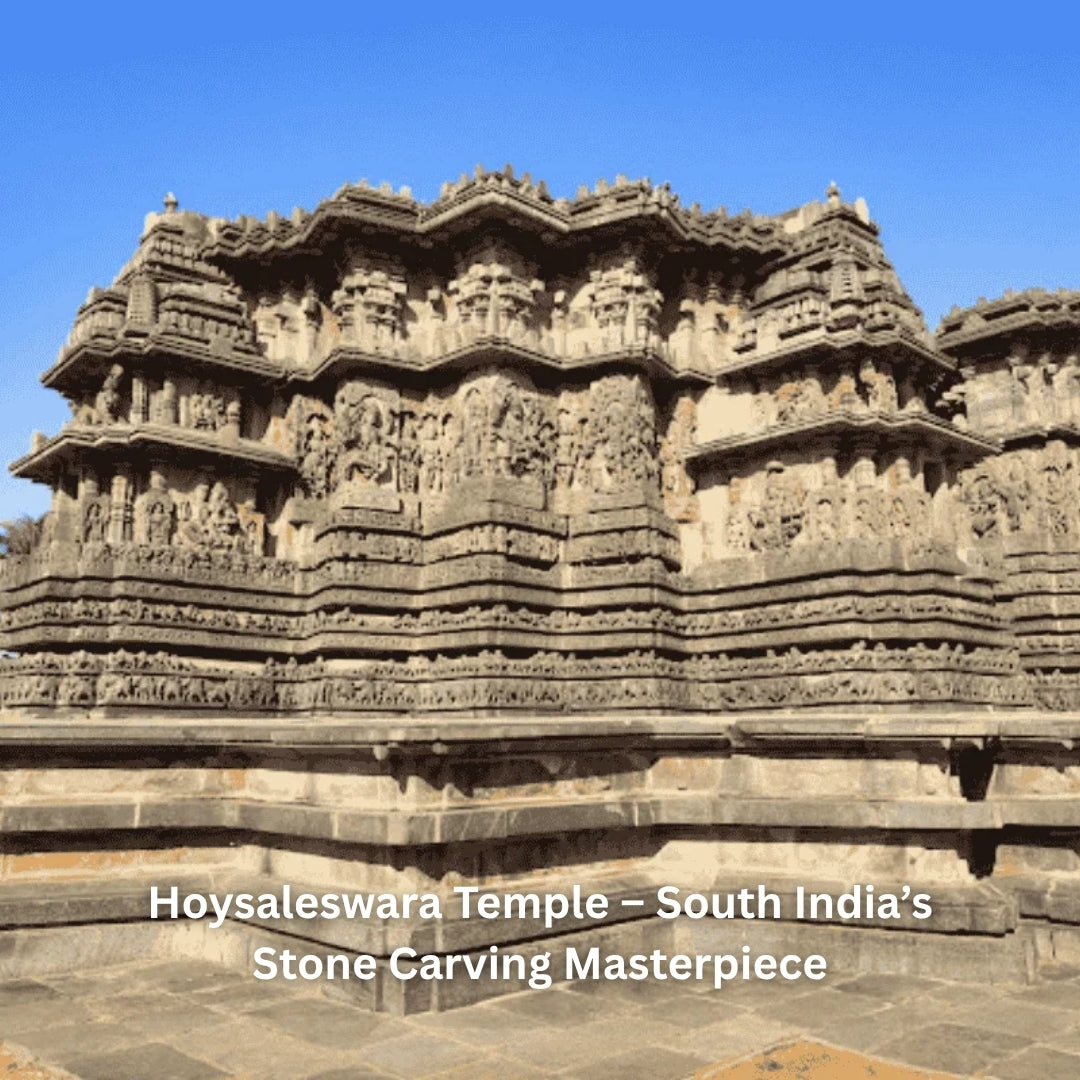
Source: Servpuja Store IN — Hoysaleswara Temple – South India's Stone Carving Masterpiece ... · www.servpujastore.in
MAJOR TRAP: Dwarasamudra is in Karnataka, NOT Maharashtra as given in the question
Don't confuse with other Hoysala sites like Belur or Somanathapura
Girinagar (Girnar) - Gujarat
Art And Culture Girinagar
Girinagar (Girnar): Sacred Jain Pilgrimage Site in Gujarat
Girinagar means 'city on the hill', refers to Girnar in Gujarat
Sacred to 22nd Jain Tirthankara Lord Neminath
Located near Junagadh in Saurashtra region
Ancient Ashoka's rock edicts also found here
Sacred Geography
Girinagar literally translates to 'city on the hill' and refers to the sacred Girnar Hills near Junagadh in Gujarat. This ancient pilgrimage site combines Jain religious significance with historical importance from the Mauryan period.
Religious & Historical Layers
Aspect | Details | Significance |
|---|---|---|
Jain Heritage | 22nd Tirthankara Neminath | Major pilgrimage site, ancient temples |
Mauryan Legacy | Ashoka's Rock Edicts | 14 edicts in Brahmi script |
Hindu Temples | Amba Mata, Gorakhnath | Syncretic religious landscape |
Location | Junagadh district, Gujarat | Saurashtra peninsula |
Sacred Landscape
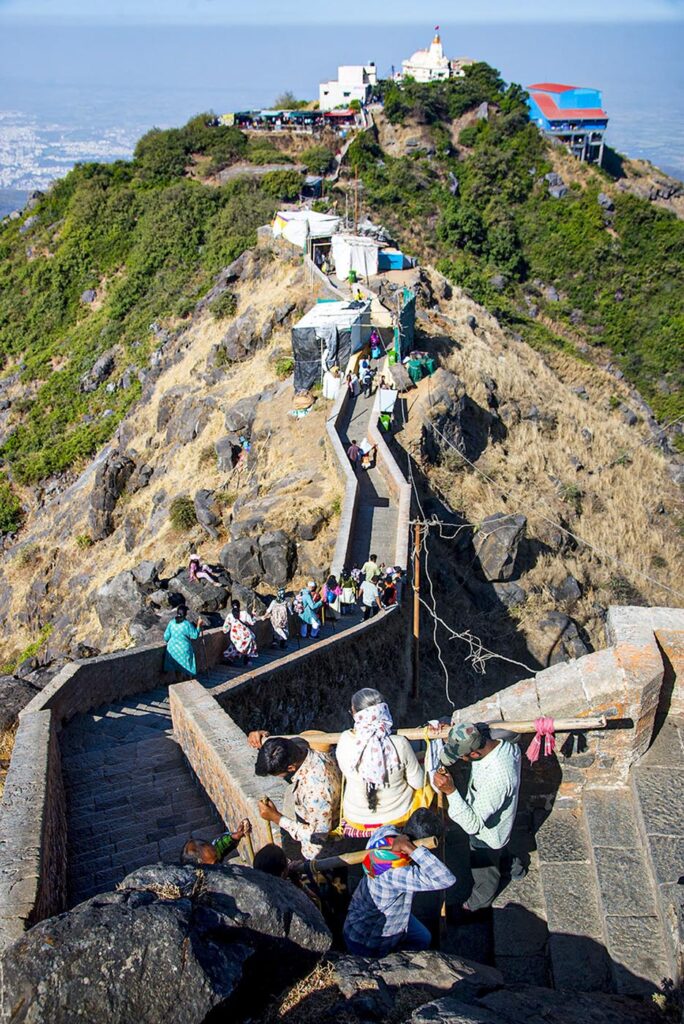
Source: Hinduism Today — Girnar Mountain, a Spiritual Journey of Ten Thousand Steps ... · www.hinduismtoday.com
Girinagar = Girnar = Gujarat - don't confuse with other hill stations
Remember the Jain connection (Neminath) distinguishes it from Buddhist sites
Sthanesvara (Thanesar) - Haryana
Ancient And Medieval History Sthanesvara
Sthanesvara (Thanesar): Harsha's Capital in Haryana
Sthanesvara is ancient name for Thanesar in Haryana
Capital of Harshavardhana and Pushyabhuti dynasty
Located in Kurukshetra district, Haryana
Important Hindu pilgrimage site with Sthaneshwar Mahadev temple
Harsha's Capital
Sthanesvara (modern Thanesar) was the ancestral capital of the Pushyabhuti dynasty and later became the base from which Harshavardhana (606-647 CE) built his North Indian empire. The name derives from 'Sthanu-Ishvara' (Lord Shiva).
Historical Importance
Pushyabhuti dynasty: Ancestral seat before Harsha's expansion
Harshavardhana's base: Launched conquests from here to build his empire
Chinese pilgrim accounts: Hiuen Tsang visited during Harsha's reign
Religious center: Ancient Sthaneshwar Mahadev temple complex
Geographic Context
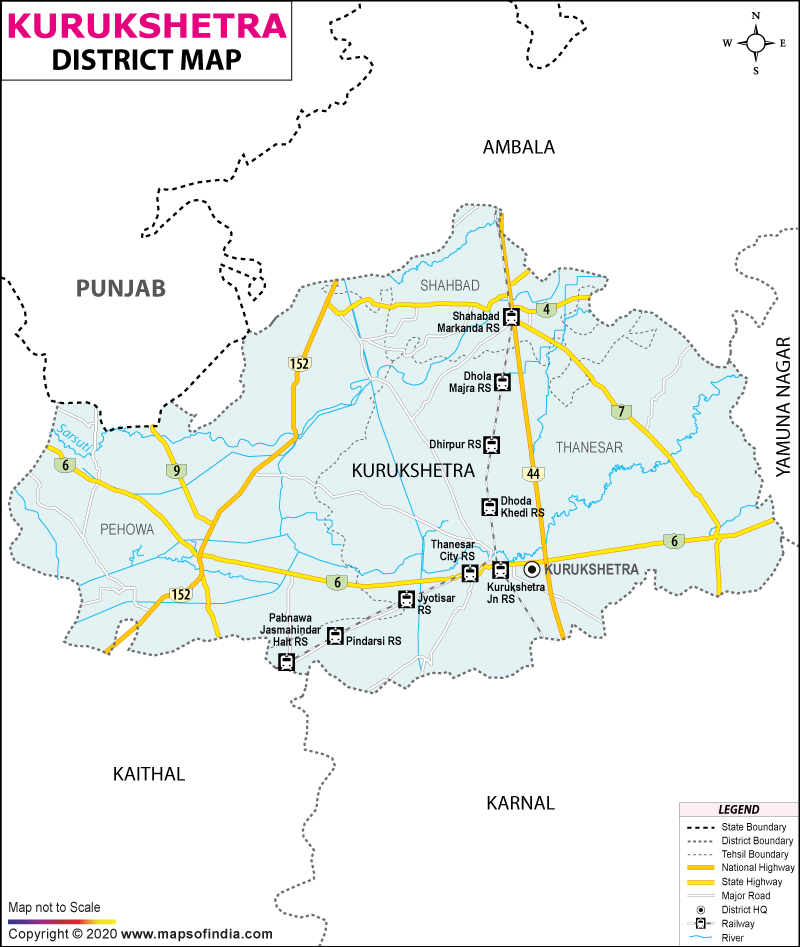
Source: India Map — Kurukshetra District Map · www.mapsofindia.com
MAJOR TRAP: Sthanesvara is in Haryana, NOT Uttar Pradesh as given in question
Don't confuse Thanesar with Mathura or other UP cities
Remember: Harsha = Haryana connection helps recall the correct state
Ancient-Medieval Place Names
Ancient And Medieval History
Ancient-Medieval Place Names: UPSC Pattern & Strategy
UPSC frequently tests ancient/medieval names vs modern locations
Focus on capital cities, pilgrimage sites, and Ashoka-related places
Many ancient names reflect geographical features or religious significance
Common UPSC Ancient-Modern Pairs
Ancient/Medieval Name | Modern Name | State | Key Association |
|---|---|---|---|
Bhilsa/Bhelsa | Vidisha | Madhya Pradesh | Ashoka's governorship |
Dwarasamudra | Halebidu | Karnataka | Hoysala capital |
Girinagar | Girnar | Gujarat | Jain pilgrimage (Neminath) |
Sthanesvara | Thanesar | Haryana | Harsha's capital |
Pataliputra | Patna | Bihar | Mauryan/Gupta capital |
Kanauj | Kannauj | Uttar Pradesh | Harsha's later capital |
Recognition Patterns
Sanskrit roots: Many ancient names have Sanskrit meanings (Sthanesvara = Sthanu + Ishvara)
Geographical clues: Names like 'Girinagar' (city on hill) indicate topography
Dynasty connections: Capital cities often retain links to ruling dynasties
Religious significance: Pilgrimage sites maintain continuity across name changes
State confusion: UPSC often gives wrong states - memorize the correct state-name pairs
Similar sounding names: Don't mix up Bhilsa (MP) with other '-sa' ending cities
Regional clusters: Southern names often sound similar - Dwarasamudra vs Amaravati vs Warangal
Modern assumptions: Don't assume ancient capitals are in the same states as modern political centers