Annie Besant was 1. Responsible for starting the Home Rule Movement 2. The founder of the Theosophical Society 3. Once the President of the Indian National Congress Select the correct statement/statements using the codes given below.
Contents17
- A1 only
- B2 and 3 only
- C1 and 3 only
- D1, 2 and 3
Show answer
Answer: (C) 1 and 3 only
Statement 1 is correct —
Annie Besant started the Home Rule Movement in 1916 (she started it in September 1916 from Adyar, Madras, while Tilak had started his Home Rule League in April 1916 from Pune).
Statement 2 is wrong —
Annie Besant did NOT found the Theosophical Society.
It was founded in 1875 in New York by Madam Helena Blavatsky and Colonel Henry Steel Olcott.
Annie Besant joined it later and became its president in 1907.
Many students confuse her prominent role in the Society with founding it — this is a classic UPSC trap.
Statement 3 is correct —
Annie Besant was the first woman President of the Indian National Congress, presiding over the 1917 Calcutta Session.
So statements 1 and 3 are correct.
Annie Besant was the first woman President of the Indian National Congress in 1917, making her a significant figure in the independence movement.
UPSC creates a trap by testing whether students confuse Annie Besant's leadership role in the Theosophical Society with actually founding it - she joined later and became president in 1907, but the Society was founded in 1875 by Helena Blavatsky and Henry Steel Olcott.
Annie Besant: Life & Contributions
Modern Indian History Annie Besant
Annie Besant: British Activist & Congress President
British-born social reformer who became a prominent Indian nationalist
Started Home Rule Movement in September 1916 from Adyar, Madras
First woman President of Indian National Congress (1917 Calcutta Session)
President of Theosophical Society (1907-1933) but did NOT found it
Background
Annie Besant (1847-1933) was a British social reformer who became deeply involved in Indian nationalism. Originally a social activist in Britain, she moved to India in 1893 and emerged as one of the most prominent non-Indian supporters of the freedom struggle.
Key Roles & Achievements
Role/Achievement | Year | Details | Significance |
|---|---|---|---|
Joined Theosophical Society | 1889 | Became member in London | Gateway to Indian involvement |
President, Theosophical Society | 1907-1933 | Led society for 26 years | Global influence on spiritual movements |
Home Rule Movement | September 1916 | Started from Adyar, Madras | Parallel to Tilak's league |
Congress President | 1917 | Calcutta Session - first woman | Breaking gender barriers in politics |
Internment | 1917 | Detained by British govt | Made her more popular |
Question Analysis
This question tests precise knowledge of Annie Besant's roles. Statement 1 (Home Rule) and Statement 3 (Congress President) are correct, making option C the right answer. Statement 2 creates the classic trap of confusing leadership with founding.
Trap: Confusing Annie Besant as founder of Theosophical Society - she was president, not founder
Founding vs Leadership: Society founded by Helena Blavatsky & Henry Olcott in 1875; Besant joined in 1889
Date confusion: Besant's Home Rule started September 1916, Tilak's started April 1916
Gender milestone: First woman Congress President, not just any president
Home Rule Movement (1916-1918)
Modern Indian History Home Rule Movement
Home Rule Movement: Dual Leadership & Constitutional Demand
Two parallel leagues: Tilak's from Pune (April 1916), Besant's from Madras (September 1916)
Demanded Home Rule (self-government) within British Empire, not complete independence
Peak period: 1916-1918 during World War I
Used constitutional methods - meetings, petitions, propaganda
Context & Launch
The Home Rule Movement emerged during World War I when Britain needed Indian support. Both Tilak and Besant saw this as an opportunity to demand self-government through constitutional agitation, avoiding violent methods.
Two Home Rule Leagues Compared
Aspect | Tilak's League | Besant's League |
|---|---|---|
Founded | April 1916 | September 1916 |
Headquarters | Pune | Adyar, Madras |
Coverage | Maharashtra, Karnataka, Central Provinces, Berar | Rest of India except Punjab |
Membership | 32,000 by 1917 | Larger network |
Language | Marathi emphasis | English emphasis |
Approach | More radical tone | Moderate constitutional methods |
Methods & Impact
Propaganda techniques: Pamphlets, public meetings, newspapers like 'Young India' and 'Commonweal'
Educational approach: Political education of masses about self-government concept
Internment backfire: British detention of leaders (Besant, Tilak) increased popular sympathy
Congress reunion: Helped bring Moderates and Extremists together at 1916 Lucknow Session
Mass base: Created political awareness among middle classes across India
Timeline trap: Tilak started first (April), Besant started later (September) - both in 1916
Demand confusion: Asked for Home Rule (dominion status), not complete independence
Geography mix-up: Tilak focused on western India, Besant covered rest of India
Method clarification: Used constitutional agitation, not revolutionary violence
Theosophical Society & Indian Nationalism
Modern Indian History Theosophical Society
Theosophical Society: Founders, Leaders & Indian Impact
Founded in 1875 in New York by Helena Blavatsky and Henry Olcott
Annie Besant joined in 1889, became president 1907-1933
Headquarters shifted to Adyar, Madras in 1882
Promoted Hindu and Buddhist philosophy to Western audience
Foundation & Growth
The Theosophical Society was founded as a spiritual movement combining Eastern philosophy with Western occultism. It gained prominence when its headquarters moved to India, making it a bridge between Western seekers and Indian spiritual traditions.
Key Figures & Timeline
Person | Role | Period | Contribution |
|---|---|---|---|
Helena Blavatsky | Co-founder | 1875-1891 | Wrote 'The Secret Doctrine', established basic philosophy |
Henry Olcott | Co-founder | 1875-1907 | First president, moved HQ to India |
Annie Besant | President | 1907-1933 | Linked theosophy with Indian nationalism |
Jiddu Krishnamurti | Chosen successor | 1909-1929 | Later rejected messianic role |
Impact on Indian Nationalism
Cultural pride: Promoted ancient Indian wisdom as superior to Western materialism
Educational institutions: Founded schools and colleges, including Central Hindu College, Benaras
Political awakening: Many theosophists became Indian National Congress members
International support: Brought global attention to Indian culture and independence struggle
Hindu renaissance: Contributed to revival of interest in Vedanta and Indian philosophy
Founder confusion: Blavatsky & Olcott founded it, not Annie Besant
Date trap: Founded 1875, not when Besant joined (1889) or became president (1907)
Location shift: Started in New York, moved to Adyar in 1882
Besant's role: President for 26 years, but NOT the founder
Adyar Headquarters
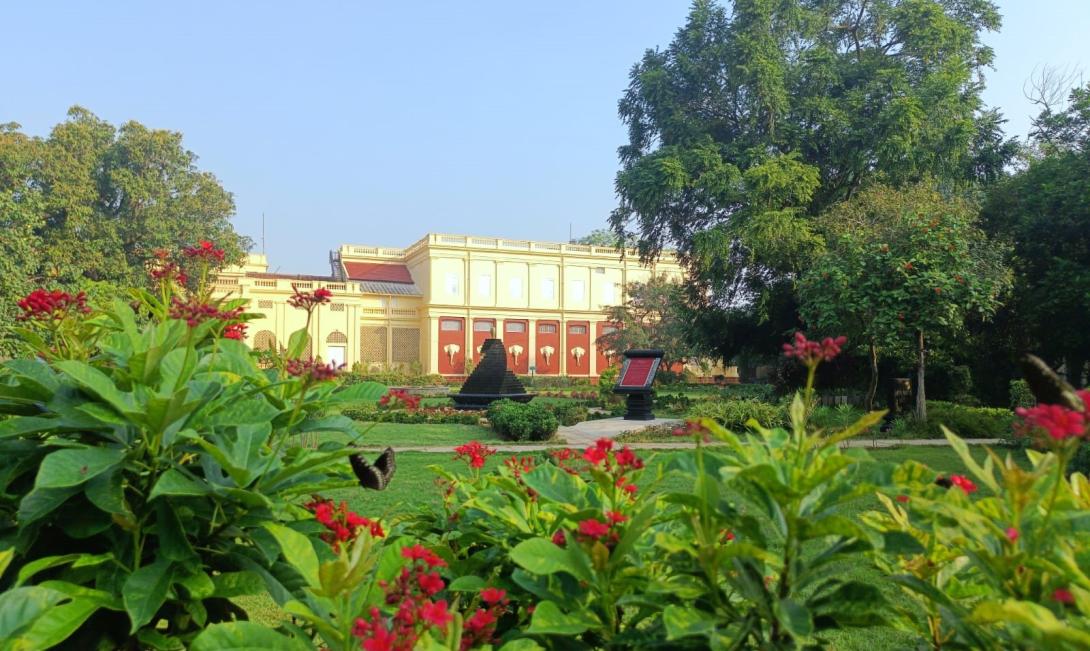
Source: TS Adyar — Adyar Headquarters | TS Adyar · www.ts-adyar.org
Early Congress Presidents & Milestones
Modern Indian History President of the Indian National Congress
Congress Presidents: Key Milestones & Notable Sessions
Annie Besant - first woman president (1917 Calcutta)
W.C. Banerjee - first president (1885 Bombay)
Dadabhai Naoroji - first to demand Swaraj (1906 Calcutta)
Annual sessions rotated between major cities
Presidential Significance
The Congress presidency was the highest elected office in the independence movement. Each session's location and president reflected the political mood and strategic direction of the freedom struggle.
Milestone Presidents (1885-1920)
President | Year | Session | Historic Significance |
|---|---|---|---|
W.C. Banerjee | 1885 | Bombay | First president - launched Congress |
Dadabhai Naoroji | 1906 | Calcutta | First to demand Swaraj - self-government |
Bal Gangadhar Tilak | 1907 | Surat | Moderate-Extremist split occurred |
Annie Besant | 1917 | Calcutta | First woman president |
Mahatma Gandhi | None | - | Never became Congress president |
Notable Women Leaders
Annie Besant (1917): First woman president, during Home Rule Movement peak
Sarojini Naidu (1925): First Indian woman president, poet and freedom fighter
Nellie Sengupta (1933): British-born like Besant, active in Bengal politics
Breaking barriers: Women's leadership legitimized their role in freedom struggle
Gandhi trap: Never became Congress president despite being the most prominent leader
First woman: Annie Besant (1917), not Sarojini Naidu who was first Indian woman (1925)
Session locations: Calcutta hosted multiple historic sessions - 1906 (Naoroji), 1917 (Besant)
Timing significance: Besant's presidency came during her Home Rule Movement peak