With reference to "Look East Policy" of India, consider the following statements: 1. India wants to establish itself as an important regional player in the East Asian affairs. 2. India wants to plug the vacuum created by the termination of Cold War. 3. India wants to restore the historical and cultural ties with its neighbours in Southeast and East Asia. Which of the statements given above is/are correct?
Contents18
- A1 only
- B1 and 3 only
- C3 only
- D1, 2 and 3
Show answer
Answer: (B) 1 and 3 only
Statements 1 and 3 are correct.
Statement 2 is WRONG.
India's Look East Policy (launched in 1992 by PM Narasimha Rao, upgraded to 'Act East Policy' in 2014 by PM Modi):
Statement 1 (✓): India wants to become an important REGIONAL PLAYER in East Asian affairs — participating in forums like ASEAN, East Asia Summit, RCEP negotiations.
Statement 2 (✗): The policy was NOT about filling a Cold War vacuum. It was about India opening up economically (post-1991 liberalization) and re-engaging with a rapidly growing East Asia. India was looking for new trade partners, investment, and technology — not trying to play Cold War-style power politics.
Statement 3 (✓): India has DEEP historical and cultural ties with Southeast/East Asia — Buddhism spread from India to the region, Hindu kingdoms existed in Cambodia (Angkor Wat), Indonesia (Majapahit), and Vietnam (Champa). Restoring these civilizational links is a key motivation.
Think of Look East Policy as:
- Economic engagement
- Strategic presence
- Cultural reconnection with Asia.
Look East Policy launched in 1992 after India's economic liberalization to engage with rapidly growing East Asian economies for trade, investment and technology.
The policy was about economic opportunity and cultural reconnection, not filling any Cold War power vacuum as India was focused on opening up its economy to new partners.
UPSC tests whether students understand the difference between genuine policy motivations versus geopolitical theories that sound plausible but are incorrect.
Look East & Act East Policy
World Affairs (International Relations) Look East Policy
Look East & Act East Policy: Evolution, Objectives & Strategic Framework
Look East Policy launched in 1992 by PM Narasimha Rao, upgraded to Act East Policy in 2014
Aims to establish India as regional player in East Asian affairs through ASEAN engagement
Focus on economic integration, not Cold War vacuum filling
Seeks to restore historical & cultural ties with Southeast and East Asia
Policy Context
India's Look East Policy emerged after the 1991 economic liberalization as India sought new trade partners and investment sources in rapidly growing East Asia. The policy represents India's shift from inward-looking economics to regional integration and economic diplomacy.
Look East vs Act East
Aspect | Look East Policy (1992-2014) | Act East Policy (2014-Present) |
|---|---|---|
Launch | PM Narasimha Rao, 1992 | PM Modi, 2014 |
Primary Focus | Economic engagement with ASEAN | Comprehensive engagement including security |
Geographic Scope | Southeast Asia | Extended to East Asia, Pacific |
Key Forums | ASEAN dialogue partner | East Asia Summit, Quad, IPEF |
Approach | Diplomatic outreach | Proactive implementation ('Act' not just 'Look') |
Core Objectives
Regional player status: Participate actively in East Asian multilateral forums and security architecture
Economic integration: Boost trade, investment, and technology transfer with dynamic Asian economies
Strategic balancing: Counter China's growing influence through partnerships with Japan, Australia, South Korea
Cultural reconnection: Leverage shared Buddhist and Hindu heritage for soft power diplomacy
Question Analysis
Statement 2 is the trap - the policy was NOT about filling Cold War vacuums but about economic modernization and regional integration post-1991 liberalization. India was seeking growth opportunities, not geopolitical power projection.
Cold War connection: Policy was about economic growth post-1991, NOT filling Cold War vacuum
Timeline confusion: Look East started 1992 (not 1991), Act East started 2014
Geographic scope: Originally Southeast Asia, later expanded to broader East Asia-Pacific
India-ASEAN Relations
World Affairs (International Relations) East Asian affairs
India-ASEAN Relations: Institutional Framework & Strategic Partnerships
India became ASEAN Dialogue Partner in 1996, Strategic Partner in 2012
Member of East Asia Summit since 2005 and ASEAN Regional Forum
ASEAN-India FTA operational since 2010 for goods, services agreement in 2015
Key India-ASEAN Mechanisms
Forum/Mechanism | India's Status | Focus Area | Significance |
|---|---|---|---|
ASEAN Plus One | Dialogue Partner since 1996 | Economic cooperation | Trade & investment facilitation |
East Asia Summit | Founding member 2005 | Strategic & security issues | Regional security architecture |
ASEAN Regional Forum | Member since 1996 | Confidence building | Security dialogue platform |
ASEAN Defence Ministers Plus | Member since 2010 | Defence cooperation | Military-to-military ties |
Strategic Importance
Trade gateway: ASEAN is India's 4th largest trading partner with $87+ billion bilateral trade
Maritime security: Cooperation in South China Sea and Malacca Strait security
Counter-balancing China: Joint approach to manage China's assertiveness in regional waters
Connectivity projects: India-Myanmar-Thailand Trilateral Highway and Kaladan Multi-modal Project
ASEAN Geography
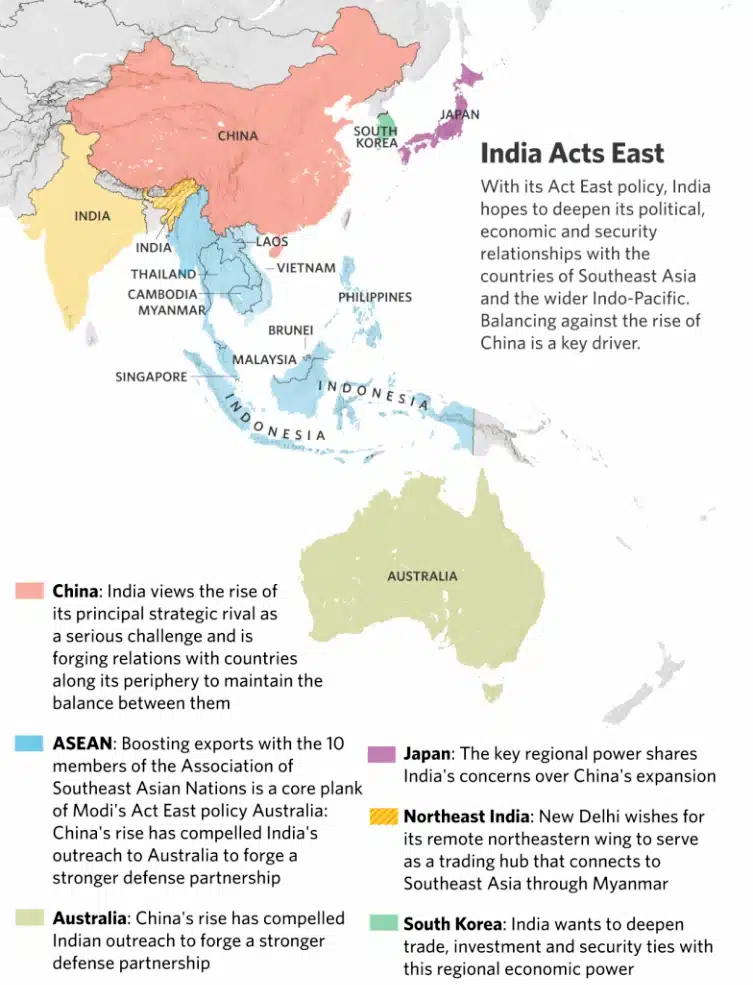
Source: LotusArise — India-ASEAN Relations (Southeast Asia) - UPSC Notes » LotusArise IAS · lotusarise.com
Membership confusion: India is dialogue partner of ASEAN, not a full member
EAS timing: India joined East Asia Summit as founding member in 2005, not later
RCEP status: India withdrew from RCEP negotiations in 2019 citing trade concerns
India-East Asia Cultural Ties
World Affairs (International Relations) historical and cultural ties Southeast and East Asia
Historical & Cultural Ties: India's Civilizational Links with East Asia
Buddhism spread from India to Southeast Asia, creating lasting cultural bonds
Hindu kingdoms flourished in Cambodia (Angkor), Indonesia (Majapahit), Vietnam (Champa)
Sanskrit influence visible in languages, scripts, and royal traditions across the region
Ancient Connections
India's cultural influence in Southeast Asia dates back over 1,500 years through trade routes, religious missions, and royal patronage. Buddhist monks and Hindu traders established temples, schools, and kingdoms that shaped regional identity.
Major Cultural Legacies
Country | Hindu/Buddhist Heritage | Key Monument | Modern Connection |
|---|---|---|---|
Cambodia | Khmer Empire (Hindu-Buddhist) | Angkor Wat - largest Hindu temple | Buddhism is state religion |
Indonesia | Majapahit & Srivijaya (Hindu) | Borobudur Buddhist temple | Hindu minority in Bali |
Thailand | Sukhothai Kingdom (Buddhist) | Buddhist temples across country | Theravada Buddhism dominant |
Vietnam | Champa Kingdom (Hindu) | My Son Hindu temples | Buddhist festivals celebrated |
Myanmar | Pagan Kingdom (Buddhist) | Bagan - thousands of pagodas | Theravada Buddhism majority |
Contemporary Cultural Diplomacy
Indian Cultural Centres in Jakarta, Bangkok, and Hanoi promote Indian languages and arts
Ramayana performances and Buddhist festivals celebrated across ASEAN countries
Ayurveda and Yoga gaining popularity as wellness traditions from India
Bollywood films and Indian TV serials have significant viewership in the region
Angkor Wat Heritage
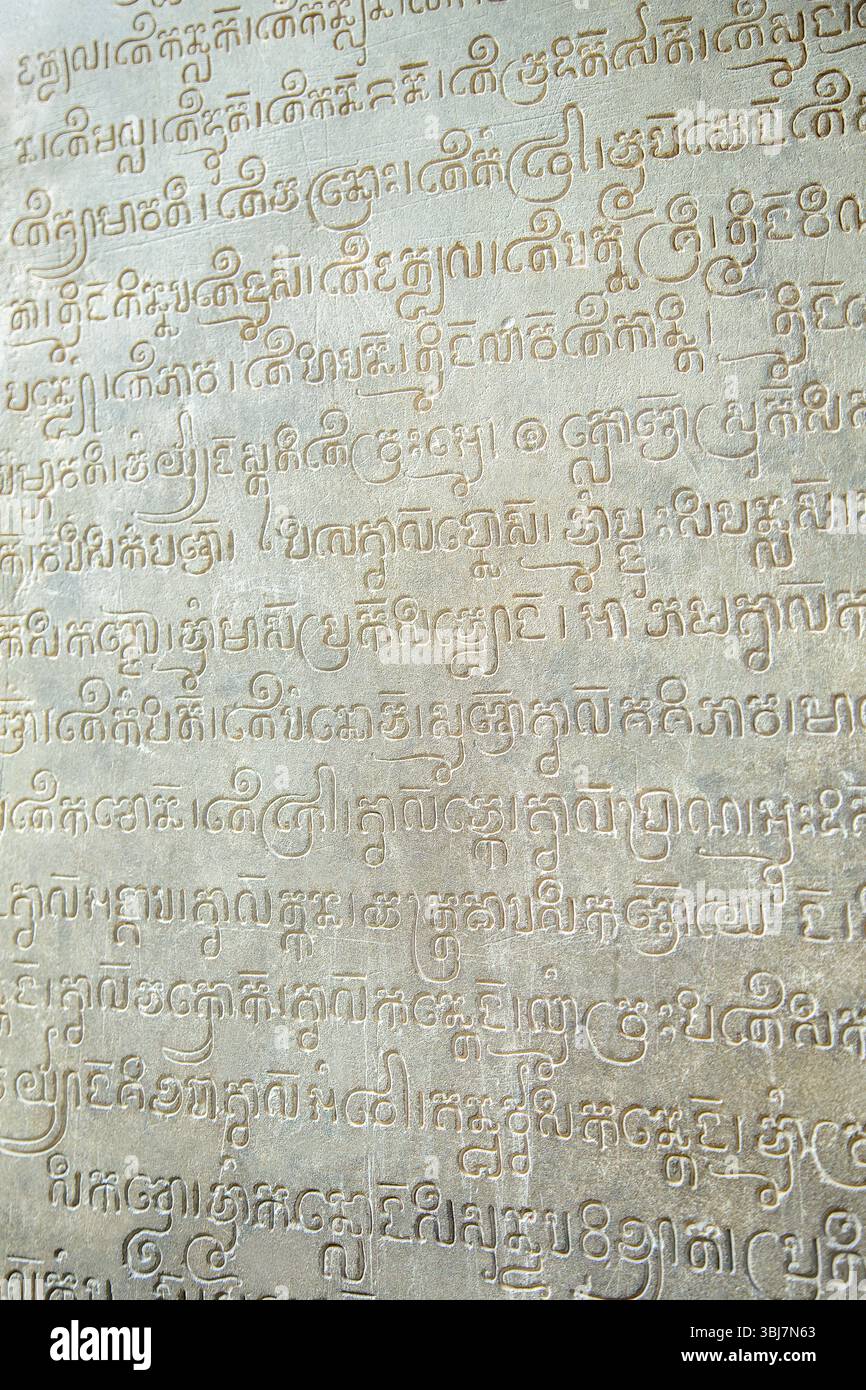
Source: Alamy — Sanskrit angkor hi-res stock photography and images - Alamy · www.alamy.com
Religion mix-up: Both Hindu and Buddhist traditions spread to Southeast Asia from India
Geographic scope: Cultural ties extend to East Asia (Buddhism in China, Japan) not just Southeast Asia
Modern relevance: These are living traditions, not just historical artifacts
Post-Cold War Foreign Policy Shifts
World Affairs (International Relations) termination of Cold War
India's Foreign Policy Transformation After the Cold War (1991-Present)
Cold War end (1991) coincided with India's economic liberalization and foreign policy reset
Shift from ideological non-alignment to pragmatic multi-alignment
Economic diplomacy became central, not filling Cold War vacuum
Policy Context
The Cold War's end in 1991 created new opportunities for India, but the Look East Policy was NOT about filling power vacuums. Instead, it represented India's economic opening and search for growth partners in the dynamic Asia-Pacific region.
Cold War vs Post-Cold War Approach
Aspect | Cold War Era (1947-1991) | Post-Cold War Era (1991-Present) |
|---|---|---|
Core Principle | Non-Alignment Movement | Strategic Autonomy |
Primary Focus | Ideological positioning | Economic interests |
Key Partnerships | Soviet Union (later Russia) | Multi-alignment: US, Russia, China, EU |
Regional Engagement | Limited by bloc politics | Active regional integration |
Economic Policy | Socialist, inward-looking | Market-oriented, globally integrated |
Foreign Policy Evolution
%%{init: {"flowchart": {"wrappingWidth": 460}}}%%
flowchart TD
  s1["`****Cold War Ends (1991)****
Bipolar world order collapses, new opportunities emerge`"]
  s2["`****Economic Liberalization****
India opens economy, needs new trade & investment partners`"]
  s3["`****Look East Launch (1992)****
Engage with rapidly growing East Asian economies`"]
  s4["`****Multi-alignment Strategy****
Build partnerships across regions without ideological constraints`"]
  s5["`****Act East Policy (2014)****
Proactive implementation with security dimension added`"]
  s1 --> s2
  s2 --> s3
  s3 --> s4
s4 --> s5Vacuum theory trap: Look East was about economic opportunity, NOT filling Cold War power vacuum
Timing confusion: Policy changes came AFTER liberalization, not as geopolitical power play
NAM continuity: India didn't abandon non-alignment but evolved to strategic autonomy