Consider the following statements: Statement I: Of the two major ethanol producers in the world, i.e., Brazil and the United States of America, the former produces more ethanol than the latter. Statement II: Unlike in the United States of America where corn is the principal feedstock for ethanol production, sugarcane is the principal feedstock for ethanol production in Brazil. Which one of the following is correct in respect of the above statements?
Contents18
- ABoth correct, II explains I
- BBoth correct, II does not explain I
- CI correct, II not correct
- DI not correct, II correct
Show answer
Answer: (D) I not correct, II correct
Statement I: 'Brazil produces more ethanol than the USA' — INCORRECT.
The United States is the world's LARGEST ethanol producer, followed by Brazil.
The US produces roughly 55-60% of global ethanol, while Brazil produces about 25-30%.
So Brazil does NOT produce more ethanol than the US. ✗
Statement II: 'US uses corn, Brazil uses sugarcane for ethanol' — CORRECT.
This is a key difference in global ethanol production.
The US primarily uses corn (maize) as feedstock — corn is fermented to produce ethanol, which is blended with gasoline (E10, E15, E85 blends).
Brazil primarily uses sugarcane — the sugar is extracted and fermented, and sugarcane ethanol is used extensively in Brazilian vehicles (many run on 100% ethanol or flex-fuel).
Interestingly, sugarcane-based ethanol is more energy-efficient (produces about 8 units of energy for every 1 unit used in production) compared to corn-based ethanol (about 1.6 units output per 1 unit input). ✓
Statement I is not correct, Statement II is correct. Answer is (d).
The United States produces approximately 55-60% of global ethanol while Brazil produces about 25-30%, making the US the world's largest ethanol producer despite Brazil's significant production.
India's National Biofuel Policy 2018 and recent ethanol blending targets (20% by 2025) have made understanding global ethanol production patterns crucial for policy comparison.
The question tests knowledge of both production volumes and feedstock differences - corn versus sugarcane - which affects energy efficiency and sustainability of biofuel programs.
Global Ethanol Production Leaders
Environment ethanol producers Brazil United States
Global Ethanol Production: US vs Brazil Market Share
United States is the world's largest ethanol producer with 55-60% global market share
Brazil is second with 25-30% global production
Statement I trap: Claims Brazil produces more than US — this is false
Together, US and Brazil account for ~85% of world ethanol production
Production Context
Ethanol is the world's most widely used liquid biofuel, primarily blended with gasoline to reduce emissions and petroleum dependence. Two countries dominate global production through different agricultural approaches.
US vs Brazil Comparison
Country | Global Share | Annual Production | Primary Use | Key Advantage |
|---|---|---|---|---|
United States | 55-60% | ~15 billion gallons | Gasoline blending (E10, E15, E85) | Large corn production capacity |
Brazil | 25-30% | ~8 billion gallons | Pure ethanol & flex-fuel vehicles | Energy-efficient sugarcane process |
Why US Leads Production
Corn belt advantage: Midwest states produce massive corn surplus suitable for ethanol conversion
Policy support: Renewable Fuel Standard mandates ethanol blending in gasoline
Infrastructure scale: Extensive ethanol plants and distribution network
Market size: Large domestic gasoline consumption drives ethanol demand
Trap: Statement I reverses the ranking — Brazil does NOT produce more ethanol than the US
Memory aid: US is Unbeaten in ethanol production volume globally
Confusion source: Brazil pioneered ethanol fuel use, but US scaled up production more massively
Ethanol Feedstock: Corn vs Sugarcane
Environment corn sugarcane feedstock ethanol production
Corn vs Sugarcane: Ethanol Feedstock Comparison
US uses corn (maize) as primary ethanol feedstock
Brazil uses sugarcane as primary ethanol feedstock
Statement II correctly identifies this feedstock difference
Sugarcane ethanol is more energy-efficient than corn ethanol
Feedstock Selection Logic
Countries choose ethanol feedstock based on agricultural strengths and climatic conditions. The US leverages its massive corn production, while Brazil utilizes its tropical advantage for sugarcane cultivation.
Corn vs Sugarcane Ethanol
Feedstock | Primary Country | Energy Efficiency Ratio | Climate Requirement | Processing Method |
|---|---|---|---|---|
Corn (Maize) | United States | 1.6:1 output/input | Temperate climate | Starch → Sugar → Fermentation |
Sugarcane | Brazil | 8:1 output/input | Tropical/subtropical | Direct sugar extraction → Fermentation |
Ethanol Production Process
%%{init: {"flowchart": {"wrappingWidth": 460}}}%%
flowchart TD
  s1["`**Feedstock Preparation**
**Corn**: Grinding kernels to access starch; **Sugarcane**: Crushing to extract juice`"]
  s2["`**Sugar Conversion**
**Corn**: Enzymes convert starch to fermentable sugars; **Sugarcane**: Direct sugar available`"]
  s3["`**Fermentation**
Yeast converts sugars to ethanol and CO₂ (same process for both)`"]
  s4["`**Distillation**
Heat separation to concentrate ethanol to fuel-grade purity`"]
  s5["`**Dehydration**
Remove remaining water to achieve 99%+ ethanol concentration`"]
  s1 --> s2
  s2 --> s3
  s3 --> s4
  s4 --> s5
Why Sugarcane is More Efficient
Direct sugar access: Sugarcane juice contains ready-to-ferment sugars, corn requires starch breakdown
Bagasse fuel: Sugarcane waste (bagasse) powers the ethanol plant, reducing external energy input
Higher yield: Sugarcane produces more ethanol per hectare than corn
Less processing: Fewer conversion steps needed compared to starch-to-sugar transformation
Statement II is correct: US uses corn, Brazil uses sugarcane — don't reverse this pairing
Trap: Confusing which country uses which feedstock — remember Corn = Cold climate (US), Sugarcane = Sun/tropical (Brazil)
Energy efficiency trap: Sugarcane ethanol is MORE efficient than corn ethanol, not less
Brazil's Ethanol Program & Flex-Fuel
Environment Brazil sugarcane
Brazil's Pioneering Ethanol Program: Policy & Implementation
Brazil pioneered large-scale ethanol fuel use through the ProAlcool program (1975)
Flex-fuel vehicles can run on any ethanol-gasoline blend from 0-100%
Brazil achieved significant energy independence from petroleum imports
Historical Context
Brazil launched the ProAlcool program in 1975 after oil price shocks, making it the world's first country to use ethanol as a mainstream automotive fuel. This program transformed Brazil's energy security and agricultural economy.
Key Features of Brazil's Program
Mandatory blending: All gasoline contains 27% ethanol (E27) by law
Pure ethanol option: Many gas stations offer 100% ethanol (E100) fuel
Flex-fuel dominance: Over 80% of new cars sold are flex-fuel vehicles
Price advantage: Ethanol often costs 60-70% of gasoline price per liter
Rural employment: Ethanol industry provides jobs in sugarcane-growing regions
Brazil's Ethanol Success Factors
# Brazil Ethanol Success
## Geographic
- Tropical climate
- Large arable land
- Suitable for sugarcane
## Policy
- ProAlcool program
- Blending mandates
- Tax incentives
## Technology
- Flex-fuel engines
- Efficient processing
- Bagasse power plants
## Economic
- Lower fuel costs
- Reduced imports
- Agricultural incomeLeadership confusion: Brazil pioneered ethanol fuel USE, but US leads ethanol PRODUCTION volume
Efficiency advantage: Brazil's sugarcane ethanol is more energy-efficient than most other biofuels worldwide
US Corn Ethanol Industry
Environment United States corn
US Corn Ethanol: Scale, Policy & Market Dynamics
Renewable Fuel Standard mandates ethanol blending in US gasoline
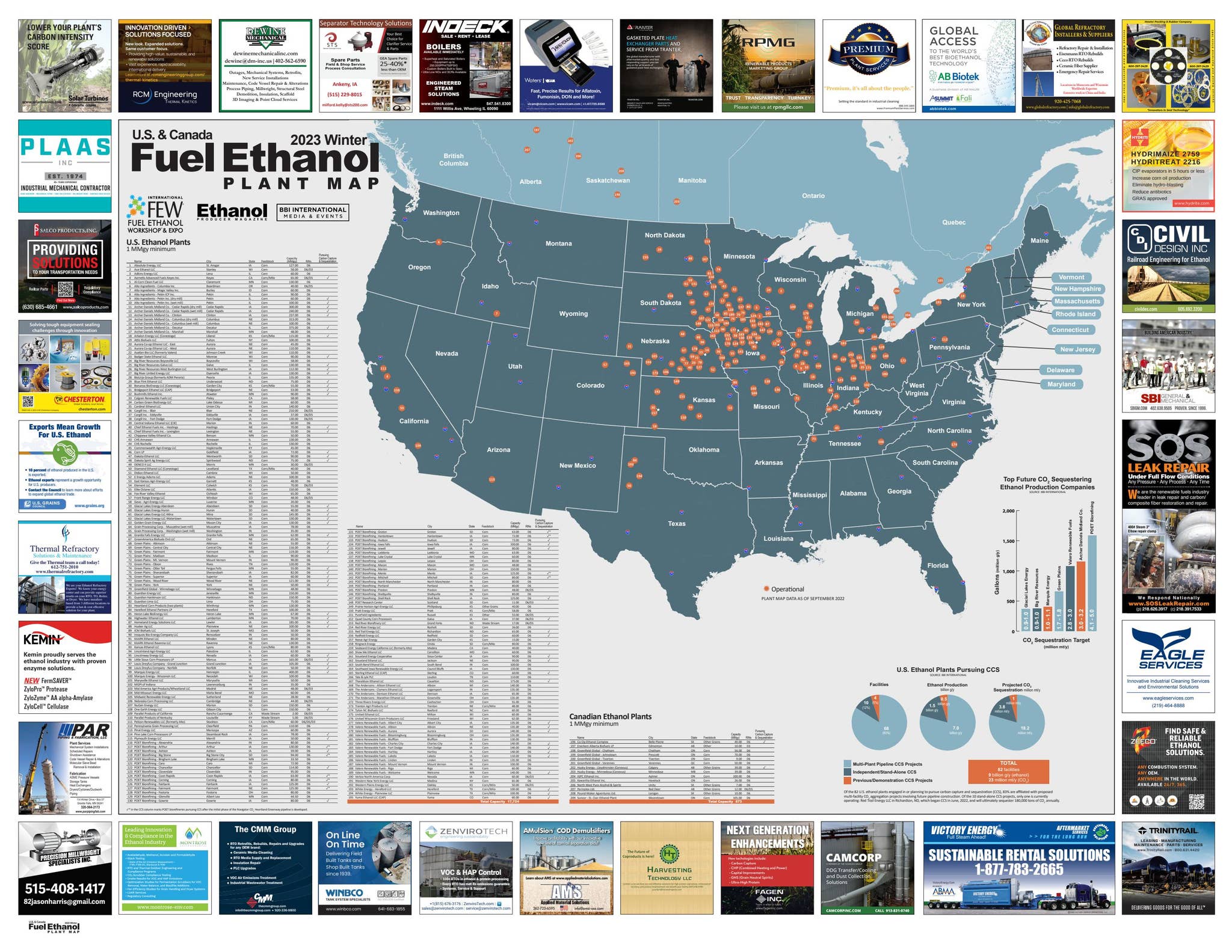
Corn Belt states (Iowa, Illinois, Nebraska) dominate ethanol production
Most US gasoline is E10 (10% ethanol, 90% gasoline)
Industry Scale
The US ethanol industry processes about 40% of the corn crop annually, operating over 200 ethanol plants primarily in Midwest states. This creates a major agricultural market while supporting energy security goals.
US Ethanol Blend Types
Blend | Ethanol % | Usage | Vehicle Compatibility |
|---|---|---|---|
E10 | 10% | Standard gasoline nationwide | All gasoline vehicles |
E15 | 15% | Mid-grade option in some states | 2001+ model year vehicles |
E85 | 85% | Flex-fuel vehicle option | Dedicated flex-fuel vehicles only |
Economic & Environmental Impact
Corn demand: Ethanol industry is the largest consumer of US corn after animal feed
Rural economy: Supports farm income and rural employment in agricultural states
Greenhouse gas: Corn ethanol reduces lifecycle CO₂ emissions vs gasoline by ~20-40%
Energy security: Reduces petroleum imports and provides domestic fuel source
Corn Belt Distribution
Source: Issuu — 2023 Winter U.S. & Canada Fuel Ethanol Plant Map by BBI ... · issuu.com