In addition to fingerprint scanning, which of the following can be used in the biometric identification of a person? 1. Iris scanning 2. Retinal scanning 3. Voice recognition Select the correct answer using the code given below.
Contents18
- A1 only
- B2 and 3 only
- C1 and 3 only
- D1, 2 and 3
Show answer
Answer: (D) 1, 2 and 3
All three are valid biometric identification methods:
(1) Iris scanning — captures the unique pattern of the coloured part of the eye. Used in Aadhaar enrollment.
(2) Retinal scanning — maps the unique blood vessel pattern at the back of the eye. More intrusive (requires close proximity) but very accurate.
(3) Voice recognition — analyses unique vocal characteristics (pitch, tone, cadence). Used in phone banking and security.
Other biometric methods include:
- face recognition
- palm vein scanning
- gait analysis
- even DNA.
India's Aadhaar uses fingerprints + iris scans. All three options are correct.
Biometric identification became a major policy focus in India with Aadhaar enrollment using fingerprint and iris scanning for over a billion people.
The question tests whether students understand that biometrics goes beyond just fingerprints to include multiple biological and behavioral identifiers.
Students often confuse iris scanning (colored part of eye) with retinal scanning (blood vessels at back of eye) - both are valid but different technologies.
Biometric Identification Methods
Science And Technology biometric identification Iris scanning Retinal scanning Voice recognition
Biometric Identification: Types & UPSC Applications
Biometrics uses unique physical or behavioral traits for identity verification
Iris scanning captures colored eye patterns - used in Aadhaar
Retinal scanning maps blood vessels at back of eye - more intrusive but highly accurate
Voice recognition analyzes pitch, tone, cadence - used in phone banking
What is Biometrics
Biometric identification verifies identity using unique physical or behavioral characteristics that cannot be easily replicated or stolen. Unlike passwords or ID cards, biometric traits are inherent to each person.
Major Biometric Methods
Method | What it Measures | Accuracy | Usage Examples |
|---|---|---|---|
Fingerprint | Ridge patterns on fingertips | Very High | Aadhaar, smartphones, forensics |
Iris Scanning | Colored ring pattern in eye | Extremely High | Aadhaar enrollment, airports |
Retinal Scanning | Blood vessel pattern at back of eye | Highest | High-security facilities, military |
Voice Recognition | Pitch, tone, speech patterns | Moderate | Phone banking, virtual assistants |
Face Recognition | Facial geometry and features | High | Social media, surveillance, phones |
Palm Vein | Vein patterns in palm | Very High | ATMs, secure access systems |
Physiological vs Behavioral
Physiological biometrics: based on physical traits - fingerprints, iris, retina, face, DNA
Behavioral biometrics: based on actions - voice patterns, gait analysis, typing rhythm, signature
Physiological traits are generally more stable and accurate than behavioral traits
Multi-modal systems combine multiple biometric methods for higher security
Question Context
This 2014 question tests basic knowledge of biometric methods beyond fingerprints. All three options - iris scanning, retinal scanning, and voice recognition - are established biometric technologies, making Option D correct.
Trap: Confusing iris (colored part) with retina (back of eye) - both are valid biometrics
Trap: Assuming voice recognition is not biometric because it seems less "scientific" than eye scanning
Trap: Thinking retinal scanning is too advanced/rare to be a standard biometric method
Aadhaar Biometric System
Science And Technology Aadhaar fingerprint scanning
Aadhaar: World's Largest Biometric ID System
Aadhaar uses fingerprints + iris scans for 12-digit unique identity
Managed by UIDAI (Unique Identification Authority of India)
Covers over 1.3 billion residents - world's largest biometric database
Aadhaar Overview
Aadhaar is India's digital identity system that assigns a unique 12-digit number to residents based on biometric and demographic data. It serves as proof of identity and residence across India.
Aadhaar Data Collection
Data Type | Specific Information | Purpose |
|---|---|---|
Biometric | 10 fingerprints + 2 iris scans | Unique identification & authentication |
Demographic | Name, address, phone, email | Basic identity details |
Photograph | Digital facial image | Visual verification |
Key Features
UIDAI (established 2009) manages the entire Aadhaar ecosystem
Voluntary enrollment but required for many government services and subsidies
Biometric authentication prevents duplicate enrollments and fraud
Digital India foundation - enables Direct Benefit Transfer (DBT) and financial inclusion
Trap: Aadhaar uses both fingerprints AND iris - not just fingerprints
Trap: UIDAI is under Ministry of Electronics & IT, not Home Ministry
Trap: Aadhaar is for residents, not just citizens - includes NRIs and foreigners
Iris vs Retinal Scanning
Science And Technology Iris scanning Retinal scanning
Eye Biometrics: Iris vs Retinal Scanning Differences
Iris = colored ring around pupil; Retina = back wall of eye
Iris scanning is non-intrusive; Retinal scanning requires close proximity
Both have extremely high accuracy - among most reliable biometrics
Anatomy Basics
The human eye has distinct structures that create unique patterns. The iris is the visible colored part that controls light entry, while the retina is the inner surface containing blood vessels that detect light.
Iris vs Retinal Scanning
Aspect | Iris Scanning | Retinal Scanning |
|---|---|---|
Location | Colored ring around pupil | Back wall inside eye |
Pattern Scanned | Iris texture & color patterns | Blood vessel network |
Scanning Distance | Few inches away | Very close (almost touching) |
User Comfort | Non-intrusive, quick | Intrusive, requires cooperation |
Accuracy Rate | 1 in 10 million error | 1 in 10 million error |
Stability | Stable from 8 months old | Changes with health conditions |
Common Uses | Aadhaar, airports, phones | High-security facilities, military |
Eye Structure
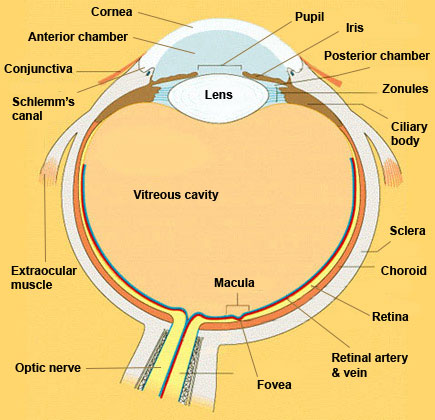
Source: kellogg.umich.edu — Eye in Cross Section : Anatomy : The Eyes Have It · kellogg.umich.edu
Trap: Both iris AND retinal scanning are valid biometrics - don't eliminate either
Trap: Iris is visible colored part; retina is internal blood vessel pattern
Trap: Retinal scanning is more accurate but less practical due to intrusiveness
Voice Recognition Technology
Science And Technology Voice recognition
Voice Recognition: Behavioral Biometric Technology
Voice recognition analyzes unique vocal characteristics - pitch, tone, cadence
Behavioral biometric - based on how you speak, not physical traits
Used in phone banking, virtual assistants, and security systems
How Voice Recognition Works
Voice recognition (or speaker recognition) analyzes the unique acoustic patterns in human speech. Each person's vocal tract, larynx, and speech habits create distinctive audio signatures that can be measured and compared.
Voice Pattern Analysis
Pitch: fundamental frequency of vocal cords - varies by gender, age, and individual anatomy
Tone: quality and timbre of voice - affected by throat and mouth shape
Cadence: rhythm and speed of speech - behavioral pattern unique to each person
Formants: resonant frequencies that create vowel sounds - physically determined
Speech habits: pronunciation patterns, accent, emphasis - learned behaviors
Voice Recognition Applications
Application | How Used | Accuracy Level | Example Systems |
|---|---|---|---|
Phone Banking | Customer verification | Moderate-High | Bank helplines, credit card services |
Virtual Assistants | User identification | Moderate | Alexa, Google Assistant |
Security Access | Building/system entry | High | Military facilities, data centers |
Forensics | Criminal identification | High | Police investigations, court evidence |
Limitations & Challenges
Environmental factors: background noise, phone quality affect accuracy
Health changes: cold, illness, aging can alter voice patterns temporarily
Emotional state: stress, excitement change vocal characteristics
Lower accuracy than physiological biometrics like fingerprints or iris
Trap: Voice recognition IS a legitimate biometric method - don't dismiss as "less scientific"
Trap: It's behavioral biometric (learned patterns) vs physiological (physical traits)
Trap: Widely used in banking and security despite being less accurate than eye/fingerprint scanning