In which of the following relief sculpture inscriptions is ‘Ranyo Ashoka’ (King Ashoka) mentioned along with the stone portrait of Ashoka?
Contents11
- AKanganahalli
- BSanchi
- CShahbazgarhi
- DSohgaura
Show answer
Answer: (A) Kanganahalli
The correct answer is (A) — Kanganahalli.
Kanganahalli, located near Sannati in Karnataka, is the only place where the inscription 'Ranyo Ashoka' (meaning 'King Ashoka') was found alongside a stone portrait of Emperor Ashoka.
This makes it unique because most Ashokan inscriptions use the title 'Devanampiya Piyadasi' rather than his actual name.
Tip:
- Kanganahalli = only site with both Ashoka's name ('Ranyo Ashoka')
- AND his stone portrait.
Kanganahalli is the only archaeological site where Ashoka's actual name 'Ranyo Ashoka' appears with his stone portrait, making it unique among all Mauryan sites.
Most other Ashokan inscriptions use the title 'Devanampiya Piyadasi' instead of his actual name, which is why finding 'Ranyo Ashoka' at Kanganahalli was historically significant.
The question tests whether students can distinguish between sites with inscriptions versus sites with both inscriptions and visual representations together.
Kanganahalli Archaeological Site
Ancient And Medieval History Kanganahalli Ranyo Ashoka stone portrait
Kanganahalli: Unique Ashokan Site with Name & Portrait
Kanganahalli is the only site with both 'Ranyo Ashoka' inscription and Ashoka's stone portrait
Located near Sannati in Karnataka
Buddhist stupa complex from 2nd-1st century BCE
Discovered and excavated by Archaeological Survey of India
What Makes It Special
Kanganahalli stands out among all Mauryan sites because it's the only place where archaeologists found Emperor Ashoka's actual name 'Ranyo Ashoka' (meaning 'King Ashoka') inscribed alongside his stone portrait. This is extraordinary because most Ashokan inscriptions use the title 'Devanampiya Piyadasi' instead of his personal name.
Key Archaeological Features
Relief sculptures depicting Jataka tales and Buddhist legends
Inscribed slabs with Brahmi script mentioning various rulers
Sculptural panels showing royal figures with identifying labels
Dome slabs (ayaka slabs) with detailed carvings
Circular structure typical of early Buddhist stupas
Visual Evidence
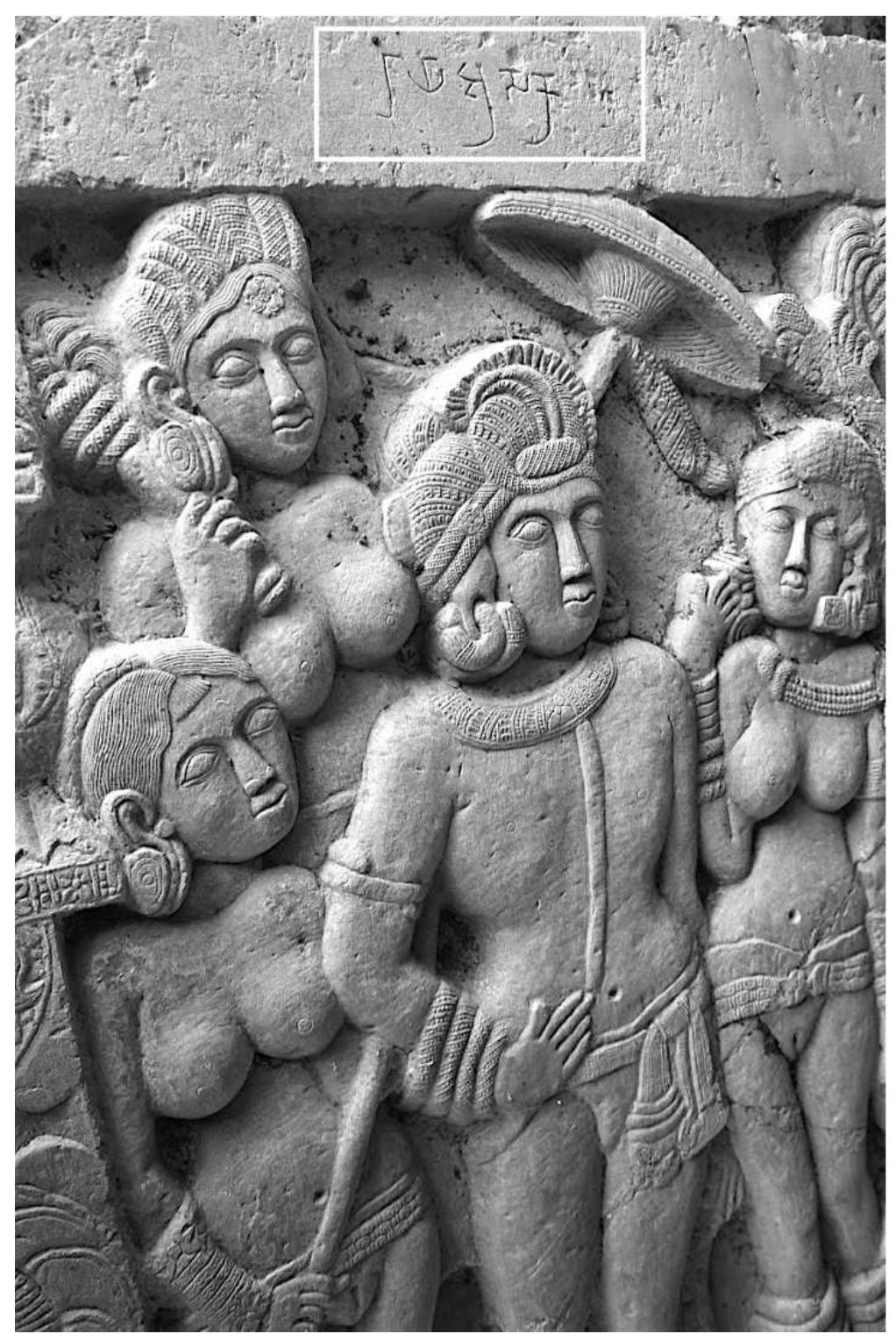
Source: Academia.edu — Figure 2 - from King Aśoka as a Role Model of Buddhist · www.academia.edu
Trap: Sanchi is famous for Mauryan art but has no inscriptions with Ashoka's name
Trap: Shahbazgarhi has Ashokan edicts but uses 'Devanampiya Piyadasi', not 'Ranyo Ashoka'
Trap: Don't confuse with Sannati (nearby town) — the site is specifically Kanganahalli
Ashokan Inscriptions & Royal Titles
Ancient And Medieval History Ranyo Ashoka Devanampiya Piyadasi
How Ashoka is Named in Different Inscriptions
Most Ashokan edicts use 'Devanampiya Piyadasi' (Beloved of Gods, Pleasant to Look Upon)
'Ranyo Ashoka' appears only at Kanganahalli site
'Ashoka' name appears in few late inscriptions like Maski and Gujarra
Titles Used in Inscriptions
Title/Name | Meaning | Where Found | Script |
|---|---|---|---|
Devanampiya Piyadasi | Beloved of Gods, Pleasant to Look Upon | Most major rock & pillar edicts | Brahmi/Kharoshthi |
Ranyo Ashoka | King Ashoka | Kanganahalli only | Brahmi |
Ashoka | Personal name | Maski, Gujarra minor edicts | Brahmi |
Raja | King (without name) | Some minor edicts | Brahmi |
Why Different Names
Ashoka used formal titles in his major policy edicts to emphasize his divine mandate and moral authority. The personal name 'Ashoka' appears mainly in minor rock edicts and later inscriptions, suggesting a shift toward more direct identification with his subjects.
Trap: 'Devanampiya Piyadasi' was initially thought to be a different king until the Maski inscription confirmed it was Ashoka
Trap: Don't assume all Ashokan sites mention his name — most use only the title
Trap: 'Ranyo' is the Prakrit form of Sanskrit 'Raja' — means the same as 'King'
Major Mauryan Archaeological Sites
Ancient And Medieval History Sanchi Shahbazgarhi Sohgaura
Key Mauryan Sites: Sanchi, Shahbazgarhi & Sohgaura
Sanchi — great stupa with Mauryan origins, no Ashokan name inscriptions
Shahbazgarhi — rock edicts in Kharoshthi script, uses 'Devanampiya Piyadasi'
Sohgaura — copper plate inscription about famine relief measures
Comparison of Sites
Site | Location | Key Feature | Ashokan Connection |
|---|---|---|---|
Sanchi | Madhya Pradesh | Great Stupa, toranas | Built during Ashoka, but no name inscriptions |
Shahbazgarhi | Pakistan (Peshawar) | Rock Edict XIII | Uses 'Devanampiya Piyadasi' only |
Sohgaura | Uttar Pradesh | Copper plate inscription | Possibly Mauryan-era famine relief |
Kanganahalli | Karnataka | Relief sculptures | Only site with 'Ranyo Ashoka' + portrait |
Why These Sites Matter
Sanchi represents the artistic peak of early Buddhist architecture under Mauryan patronage
Shahbazgarhi provides the northwestern boundary evidence of Ashokan empire in Kharoshthi script
Sohgaura shows administrative aspects — possibly the earliest Indian inscription about famine management
These sites collectively demonstrate the geographical spread and cultural diversity of Mauryan rule
Geographic Distribution
Source: wbpscupsc — Maurya Empire & Ashoka - (321 to 185 B.C) - wbpscupsc · wbpscupsc.com
Trap: Sanchi is Mauryan-founded but the famous sculptures are post-Mauryan (Sunga period)
Trap: Shahbazgarhi is now in Pakistan — don't assume all Ashokan sites are in modern India
Trap: Sohgaura's copper plate is unique — most other Mauryan inscriptions are on rock or stone pillars