Consider the following properties included in the World Heritage List released by UNESCO: 1. Shantiniketan 2. Rani-ki-Vav 3. Sacred Ensembles of the Hoysalas 4. Mahabodhi Temple Complex at Bodhgaya How many of the above properties were included in 2023?
Contents11
- AOnly one
- BOnly two
- COnly three
- DAll four
Show answer
Answer: (B) Only two
Correct Answer: (b) Only two.
Of the four listed UNESCO World Heritage Sites, only TWO were added in 2023:
- Shantiniketan (Tagore's university town in West Bengal)
- Sacred Ensembles of the Hoysalas (temples in Karnataka).
The other two were added much earlier:
- Rani-ki-Vav (Gujarat) — inscribed in 2014.
- Mahabodhi Temple Complex, Bodh Gaya (Bihar) — inscribed in 2002.
The trap: All four are genuine UNESCO sites, so if you only know they're on the list but not WHEN they were added, you might pick 'All four.'
India added only two new UNESCO World Heritage Sites in 2023: Shantiniketan and Sacred Ensembles of the Hoysalas, bringing India's total to 42 sites.
The 2023 additions were significant current affairs as they represented different heritage types - Shantiniketan as a cultural landscape linked to Tagore's educational philosophy, and Hoysala temples as architectural marvels.
UPSC is testing whether students can distinguish between sites that are merely on the UNESCO list versus those specifically inscribed in 2023, requiring knowledge of recent additions rather than just familiarity with Indian World Heritage Sites.
UNESCO World Heritage Sites Added in 2023
Art And Culture Shantiniketan Sacred Ensembles of the Hoysalas 2023
UNESCO World Heritage Sites Added in 2023: India's Recent Recognition
Two sites added to UNESCO World Heritage List in 2023: Shantiniketan and Sacred Ensembles of the Hoysalas
Shantiniketan - Rabindranath Tagore's university town in West Bengal
Sacred Ensembles of the Hoysalas - temple complexes in Karnataka
India added two new sites to the UNESCO World Heritage List in 2023, bringing significant recognition to Tagore's educational legacy and Hoysala architectural heritage.
India's 2023 UNESCO Additions
Site | Location | Type | Significance |
|---|---|---|---|
Shantiniketan | West Bengal | Cultural | Tagore's Visva-Bharati University, experimental education model |
Sacred Ensembles of the Hoysalas | Karnataka | Cultural | Chennakeshava, Hoysaleshwara, Keshava temples - 12th-13th century architecture |
Key Features of 2023 Sites
Shantiniketan: Founded by Tagore in 1901, represents fusion of Eastern and Western educational philosophies
Hoysala Ensembles: Three temple complexes at Belur, Halebid, and Somnathapura showcasing star-shaped temple architecture
Both sites represent cultural heritage rather than natural heritage
India now has 42 UNESCO World Heritage Sites after these additions
Hoysala Architecture
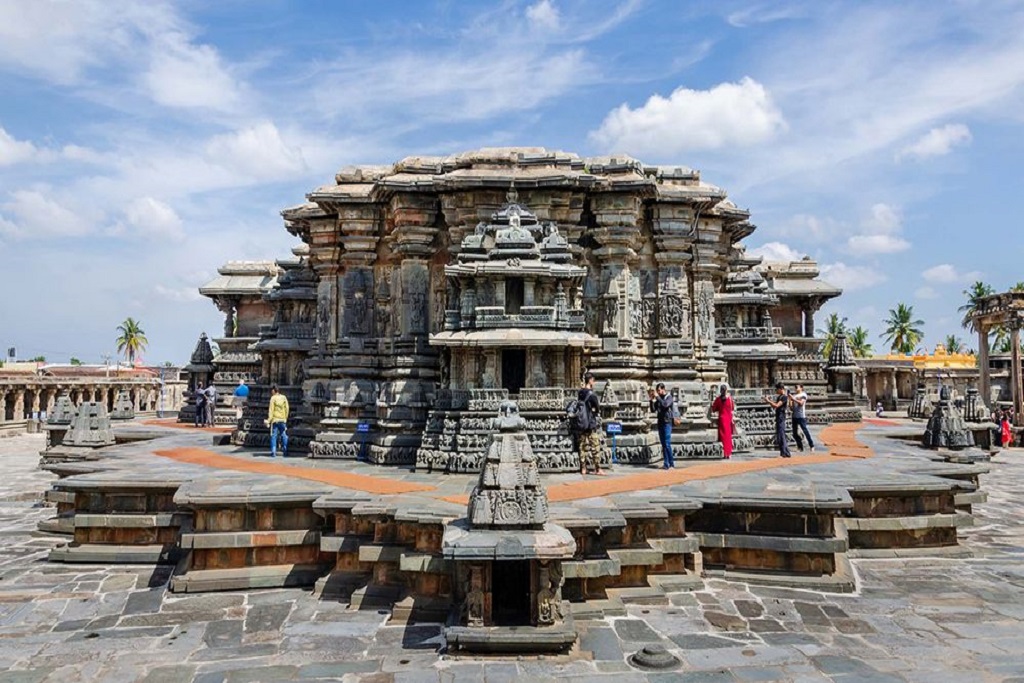
Source: Gudlu Resorts — Belur Temple- A 900-year-old wonder with the most appealing ... · www.gudlu.in
Trap: All four sites in question ARE genuine UNESCO sites - the trap is knowing the year of inscription
Don't confuse Rani-ki-Vav (2014) with 2023 additions
Mahabodhi Temple was inscribed much earlier in 2002, not recent
Remember: Question asks 'how many in 2023' - year specificity is key
Rani-ki-Vav Stepwell
Art And Culture Rani-ki-Vav
Rani-ki-Vav: UNESCO Stepwell Heritage of Gujarat (2014)
Rani-ki-Vav at Patan, Gujarat - UNESCO site since 2014
11th century stepwell built by Queen Udayamati for King Bhima I
Features over 1,000 sculptures depicting Vishnu avatars
Rani-ki-Vav represents the pinnacle of stepwell architecture in India, combining water management with intricate sculptural art from the Solanki period.
Key Features
Built in 11th century during Solanki dynasty rule in Gujarat
Seven-story stepwell descending 23 meters underground
Sculptures primarily depict Vishnu's ten avatars and Shiva-Parvati
Represents Maru-Gurjara architectural style
Rediscovered in 1980s after centuries under silt
Stepwell Architecture

Source: Patan.in — Patan Attractions - Rani ki Vav UNESCO Site & Historic Monuments ... · patan.in
Mahabodhi Temple Complex
Art And Culture Mahabodhi Temple Complex at Bodhgaya
Mahabodhi Temple Complex: Buddha's Enlightenment Site (UNESCO 2002)
UNESCO World Heritage Site since 2002 - much earlier than 2023
Located at Bodh Gaya, Bihar - site of Buddha's enlightenment
52-meter tall main temple with Bodhi Tree
The Mahabodhi Temple Complex marks the exact spot where Siddhartha Gautama attained enlightenment under the Bodhi Tree, making it Buddhism's most sacred site.
Historical Significance
Original temple built by Emperor Ashoka in 3rd century BCE
Current structure dates to 5th-6th century CE during Gupta period
Bodhi Tree - descendant of original tree under which Buddha meditated
Diamond Throne (Vajrasana) - stone slab marking enlightenment spot
Major pilgrimage site for Buddhists worldwide
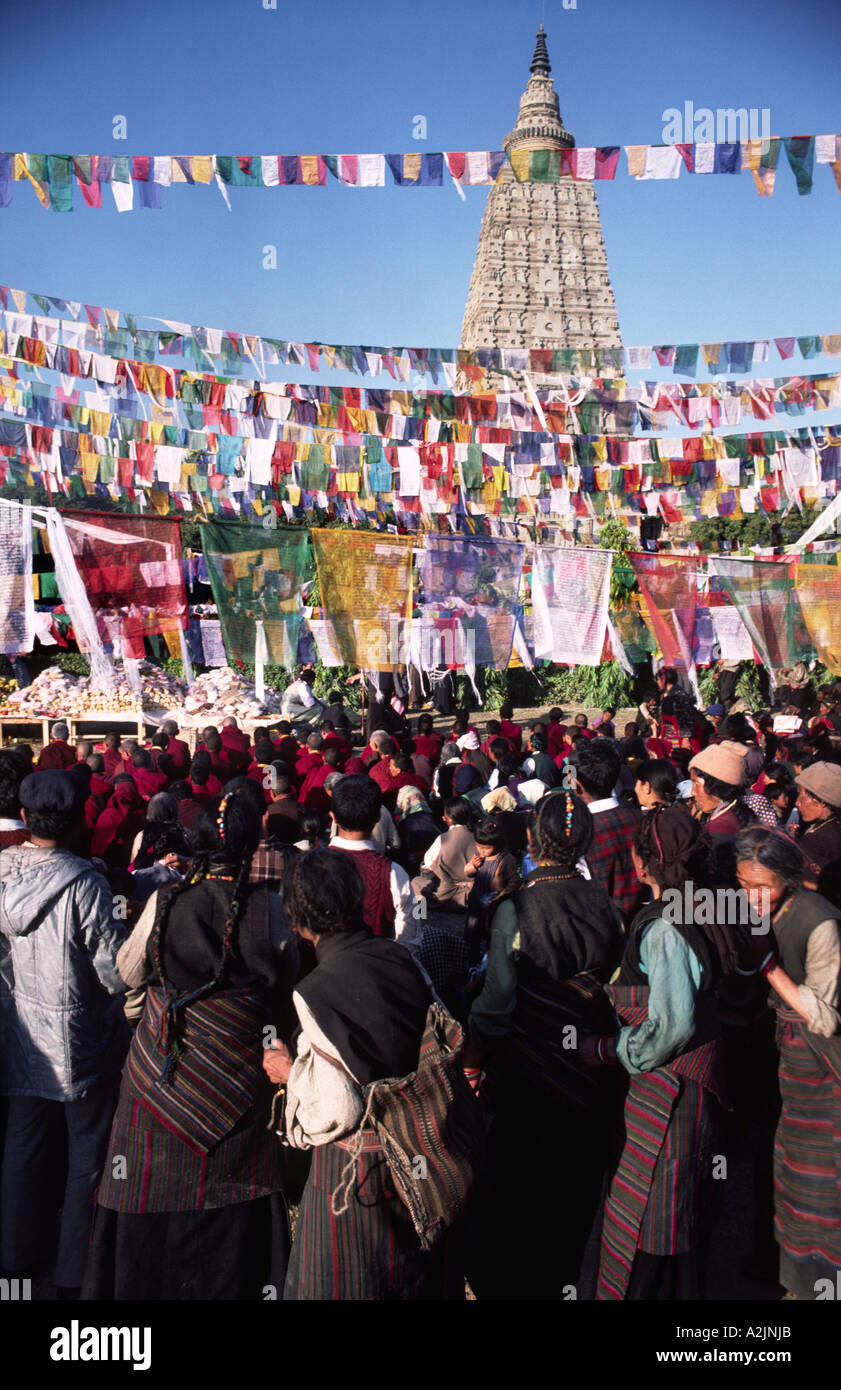
Source: Alamy — Bodh gaya temple with prayer flags bihar hi-res stock photography ... · www.alamy.com
India's UNESCO Heritage Timeline
Art And Culture
India's UNESCO World Heritage Sites: Key Inscription Years
India has 42 UNESCO World Heritage Sites as of 2023
Recent additions: Dholavira (2021), Ramappa Temple (2021), Shantiniketan & Hoysala (2023)
34 cultural sites, 7 natural sites, 1 mixed site
Recent UNESCO Inscriptions (2014-2023)
Year | Site | Location | Type |
|---|---|---|---|
2023 | Shantiniketan | West Bengal | Cultural |
2023 | Sacred Ensembles of Hoysalas | Karnataka | Cultural |
2021 | Dholavira: Harappan City | Gujarat | Cultural |
2021 | Kakatiya Rudreshwara (Ramappa) Temple | Telangana | Cultural |
2016 | Archaeological Site of Nalanda Mahavihara | Bihar | Cultural |
2014 | Rani-ki-Vav | Gujarat | Cultural |
Year confusion: UPSC tests inscription years, not just site recognition
2002 vs 2023: Mahabodhi Temple is a 21-year-old UNESCO site, not recent
2014 vs 2023: Rani-ki-Vav predates the 2023 additions by 9 years
Remember: India gets 1-2 new sites every few years - track recent additions