Which of the following is/are famous for Sun temples? 1. Arasavalli 2. Amarakantak 3. Omkareshwar Select the correct answer using the code given below:
Contents17
- A1 only
- B2 and 3 only
- C1 and 3 only
- D1, 2 and 3
Show answer
Answer: (A) 1 only
Only Arasavalli is famous for its Sun Temple.
The Arasavalli Sun Temple is located in Arasavalli village near Srikakulam in Andhra Pradesh.
It is one of the few temples in India dedicated to the Sun God (Surya) and is an important pilgrimage site.
It was built by the Kalinga kings around the 7th century CE.
Other well-known Sun Temples in India include the Konark Sun Temple (Odisha) and the Modhera Sun Temple (Gujarat), though these were not listed as options.
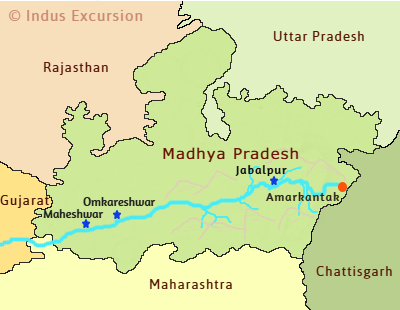
Amarakantak (Madhya Pradesh) is a pilgrimage town famous as the source of the Narmada River and the Sone River.
It has temples dedicated to Shiva and Narmada, but it is NOT known for a Sun Temple.
Omkareshwar (Madhya Pradesh) is one of the 12 Jyotirlinga shrines of Lord Shiva, located on an island in the Narmada River.
It is also NOT associated with a Sun Temple.
This question tests in-depth knowledge of India's cultural heritage and temple geography.
So only statement 1 (Arasavalli) is correct.
Sun temples are extremely rare in India - only a handful exist, with Konark, Modhera, and Arasavalli being the most significant ones.
The question tests whether students can distinguish between different types of temple dedications - Arasavalli has a Sun temple while Amarakantak and Omkareshwar are associated with Shiva worship.
UPSC is checking if students know specific temple geography beyond the famous Konark and Modhera Sun temples.
Sun Temples in India
Art And Culture Arasavalli Sun temples
Sun Temples in India: Major Sites & Architectural Heritage
Arasavalli Sun Temple (Andhra Pradesh) - 7th century CE, built by Kalinga kings
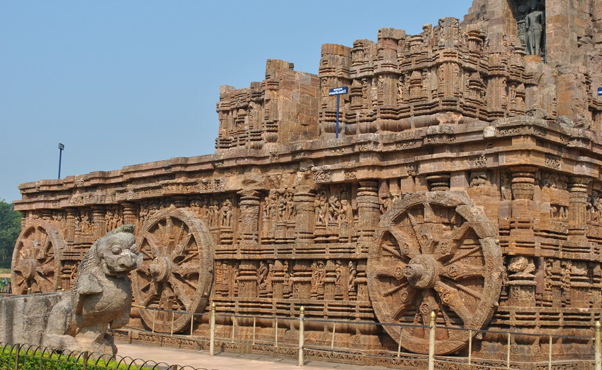
Konark Sun Temple (Odisha) - UNESCO World Heritage Site, 13th century
Modhera Sun Temple (Gujarat) - 11th century, Chalukya architecture
Sun temples are rare in India compared to Shiva/Vishnu temples
Context
Sun temples dedicated to Surya (the solar deity) are relatively rare in Indian temple architecture. Most major Sun temples were built during the medieval period and showcase distinctive architectural styles.
Major Sun Temples
Temple | Location | Period | Dynasty/Ruler | Key Features |
|---|---|---|---|---|
Arasavalli | Srikakulam, Andhra Pradesh | 7th century CE | Kalinga kings | One of few active Sun temples |
Konark | Puri, Odisha | 13th century CE | Eastern Ganga | UNESCO site, chariot design |
Modhera | Mehsana, Gujarat | 11th century CE | Chalukya dynasty | Stepwell complex, no deity |
Martand | Kashmir | 8th century CE | Karkota dynasty | Now in ruins |
Konark Architecture
Source: Tour My India — Sun Temple-Konark- The World Heritage Sites in India · www.tourmyindia.com
Worship Patterns
Surya worship was prominent in ancient India but declined after medieval period
Most Sun temples face east to catch the first rays of sunrise
Chhath Puja (Bihar/UP) is the major surviving Sun worship festival
Sun temples often feature seven horses representing days of the week
Many Sun temples are now archaeological sites rather than active places of worship
Trap: Amarakantak is famous as Narmada river source, not for Sun temple
Trap: Omkareshwar is a Jyotirlinga (Shiva temple), not Sun temple
Confusion: Konark vs Arasavalli - both are Sun temples but only Arasavalli was in options
Memory aid: Arasavalli = Andhra Pradesh Sun temple (A-S connection)
Amarakantak Pilgrimage Site
Art And Culture Amarakantak
Amarakantak: Sacred Source of Narmada River
Source of Narmada and Son rivers in Madhya Pradesh
Located in Maikal hills of Vindhya range
Famous for Shiva temples and Narmada worship, not Sun temple
Geographic Significance
Amarakantak is a hill station in Anuppur district of Madhya Pradesh, situated at the meeting point of Vindhya and Satpura ranges. It serves as the origin point for two major peninsular rivers.
Rivers Originating from Amarakantak
River | Direction of Flow | Final Destination | Length |
|---|---|---|---|
Narmada | Westward | Arabian Sea (Gujarat) | 1,312 km |
Son | Eastward | Ganga (Bihar) | 784 km |
River Origins Map
Source: Madhya Pradesh Tourism — Narmada river information. Check its place of origin, flow route ... · www.madhya-pradesh-tourism.com
Temple Significance
Narmada Udgam Temple marks the exact source of Narmada river
Shiva temples dominate the religious landscape here
Sonemuda is the origin point of Son river
Pilgrims perform river worship rituals but NOT Sun worship specifically
Omkareshwar Jyotirlinga
Art And Culture Omkareshwar
Omkareshwar: Sacred Jyotirlinga on Narmada Island
One of 12 Jyotirlinga shrines dedicated to Lord Shiva
Located on Mandhata island in Narmada river, Madhya Pradesh
Island shaped like Om symbol when viewed from above
Sacred Geography
Omkareshwar is situated on a river island in the Narmada river in Khandwa district, Madhya Pradesh. The island's natural shape resembles the sacred Om symbol, giving the shrine its name.
12 Jyotirlinga Locations
Jyotirlinga | Location | State | River/Geography |
|---|---|---|---|
Somnath | Veraval | Gujarat | Arabian Sea coast |
Mallikarjuna | Srisailam | Andhra Pradesh | Krishna river |
Mahakaleshwar | Ujjain | Madhya Pradesh | Shipra river |
Omkareshwar | Khandwa | Madhya Pradesh | Narmada island |
Kedarnath | Rudraprayag | Uttarakhand | Himalayan peaks |
Bhimashankar | Pune | Maharashtra | Sahyadri hills |
Religious Significance
Jyotirlinga means 'radiant sign of Shiva' - most sacred Shiva shrines
Pilgrims must cross Narmada river to reach the island temple
Parikrama (circumambulation) of the island is considered highly sacred
Connected to Mamleshwar temple on the mainland - both considered one Jyotirlinga
Clear distinction: Omkareshwar is Shiva Jyotirlinga, not Sun temple
Location trap: It's in Madhya Pradesh, not Maharashtra (confusion with Bhimashankar)
Geography: Remember it's on a river island, not mainland temple
Indian Temple Classifications
Art And Culture
Indian Temples: Classification by Deity & Significance
Shaivism: Shiva temples including 12 Jyotirlingas
Vaishnavism: Vishnu temples including Char Dham sites
Solar worship: Rare Sun temples like Konark, Modhera
Shakti tradition: Devi temples including 51 Shakti Peethas
Temple Classification System
# Indian Temple Types
## **Shiva Temples**
- 12 Jyotirlingas
- Panch Kedar
- Regional Shiva shrines
## **Vishnu Temples**
- Char Dham
- Divya Desams
- Krishna temples
## **Sun Temples**
- Konark (Odisha)
- Modhera (Gujarat)
- Arasavalli (AP)
## **Devi Temples**
- 51 Shakti Peethas
- Navdurga shrines
- Regional goddesses
UPSC Pattern Recognition
Questions often test specific temple locations vs general pilgrimage sites
Deity confusion is common - mixing Shiva/Vishnu/Sun temple classifications
River associations matter - many temples are located on sacred rivers
Architectural styles (Nagara/Dravidian) vs religious significance are tested separately